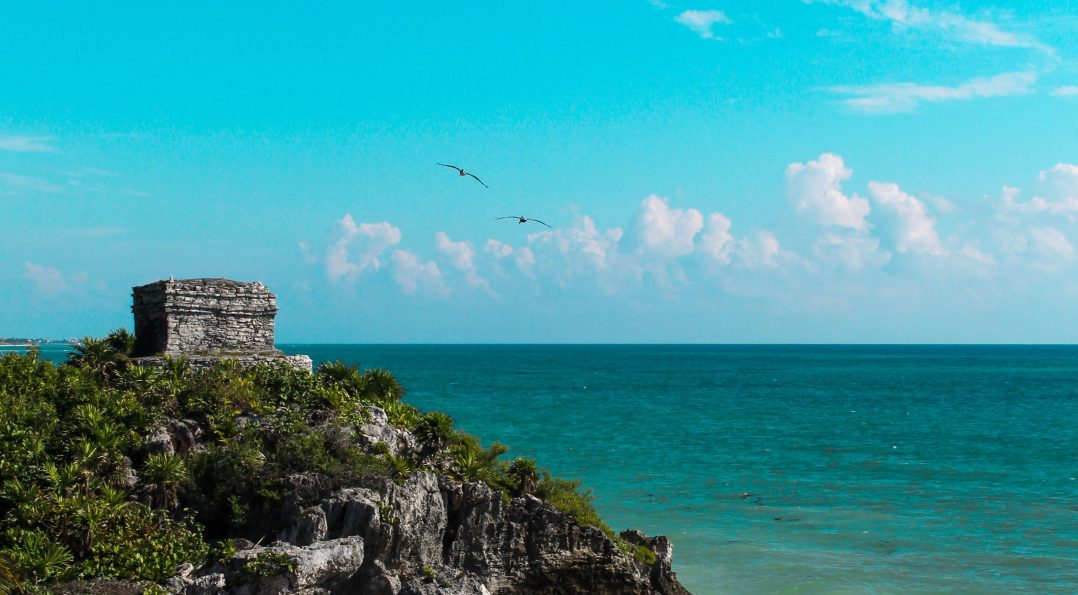

Best Time to Visit Tulum: An Honest Month-by-Month Guide
Most “best time to visit” guides give you the same answer: go in winter, avoid summer, done. But Tulum is more nuanced than that — and the right answer depends entirely on what you’re optimizing for. Perfect beach weather? The full luxury experience? Authentic local culture? A wellness reset without a crowd in every cenote? The calculus shifts depending on your priorities, and that matters more than any generic travel calendar.
—
Why “Best Time” Depends on What You Want
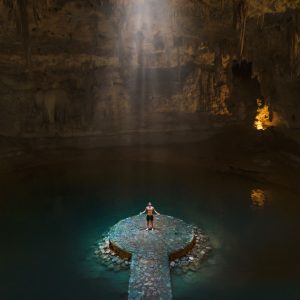
Tulum draws different travelers for different reasons. Some come for the Caribbean beach clubs and need flat, turquoise water with zero sargassum. Others come to explore cenotes, visit the Tulum ruins, and experience something closer to the Mayan culture the region is rooted in. A growing number arrive specifically for the wellness scene — yoga, sound healing, somatic movement, jungle stillness.
If you need perfect beach conditions, peak season is close to non-negotiable. If you want cenotes, shoulder season delivers warm water and near-empty caverns. If you’re coming for a genuine wellness retreat — and your experience isn’t built around the beach — the calculation changes significantly. You’re looking for calm, space, good weather, and the ability to actually drop into the experience. That opens up more of the year than most guides acknowledge.
What follows is an honest breakdown — season by season, no glossing over the hard parts.
—
Peak Season (Nov–Feb): The Gold Standard
November through February is Tulum at its most iconic. Weather is dry, breezy, and remarkably consistent — daytime highs around 26–28°C (79–82°F), low humidity, and minimal rain. The Caribbean is calm and clear. Sargassum is almost entirely absent during these months, and the beaches look the way Tulum is supposed to look.
The tradeoffs are real. Prices are at their highest, sometimes dramatically so. Popular cenotes require early arrivals to beat the line. Downtown Tulum moves fast, and the beach road is busy. Hotels at the top of the market book weeks or months out.
For wellness-focused travelers, this is still an excellent window. Early-morning yoga in cool dry air, beach trips that actually deliver, ruins at their most photogenic — it works. Calea Tulum in Aldea Zama books quickly during this period; plan 6–8 weeks ahead at minimum.
Best for: First-time visitors, beach-focused travelers, December–January holiday travel, anyone who wants guaranteed ideal weather.
—
Shoulder Season (Oct–Nov): The Underrated Sweet Spot
October and early November are the most underrated months in Tulum — particularly for the wellness traveler. Here’s why.
The heavy summer rains taper off through September, and October brings a real shift: lower humidity, fewer rain days, temperatures that feel genuinely comfortable rather than oppressive. Sargassum, which peaks from May through August, clears substantially by October. Crowds drop to a fraction of peak season, and prices reflect that.
What October adds that no other month can: Hanal Pixán. The Mayan Day of the Dead (October 31–November 2) is one of the most meaningful cultural events in the Yucatán. Altars go up in homes and markets, marigold petals fill the streets, and Tulum takes on an atmosphere that has nothing to do with beach clubs or DJ sets. For travelers interested in genuine cultural immersion, this is a rare and moving thing to witness.
The full moon in late October (October 24, 2026) draws one of Papaya Playa’s most talked-about gatherings — a more spontaneous, community-oriented experience than the high-season party circuit.
By early November, the transition to peak season is underway. Prices start rising. This narrow window — mid-October through mid-November — is where sharp travelers find the best value-to-experience ratio in all of Tulum.
Best for: Travelers who want good weather, lower prices, authentic culture, and space to breathe. Ideal for wellness retreats.
—
World Cup Window (Jun–Jul 2026): A Special Case
Mexico is hosting the 2026 FIFA World Cup, and Tulum will feel the energy even without a stadium nearby. June and July 2026 will see stronger-than-usual demand — more Mexican travelers, more spontaneous bookings, more activity across restaurants and bars.
Weather during this window is warm and humid, with afternoon rain showers most days. Sargassum is active on many beaches. The cenotes, however, are at their most refreshing — water levels are high, caverns are vivid, and the jungle surrounding Tulum is dense and green.
If you’re not beach-dependent, June and July can be a genuine option. Cenote days, ruin mornings, Centro Calea sessions in the afternoon — the itinerary holds up. Just expect more company than usual, book early, and calibrate expectations on beach conditions.
Best for: Travelers motivated by the World Cup atmosphere, cenote explorers, those who prefer the lush green landscape of rainy season over the drier aesthetic of winter.
—
Summer / Rainy Season (Aug–Sep): What’s Honest
August and September are Tulum’s quietest months, and there are concrete reasons for that. Humidity is at its highest, afternoon thunderstorms are frequent, and sargassum typically peaks on most beaches from May through August. Mosquitoes and heat are real considerations, especially away from the coast.
That said, this is when prices drop most significantly. Cenotes are nearly empty. The jungle is vivid and deeply alive. Some travelers find August and September to be a genuine opportunity — empty cenotes, quiet streets, a slower pace that’s impossible to find in peak season.
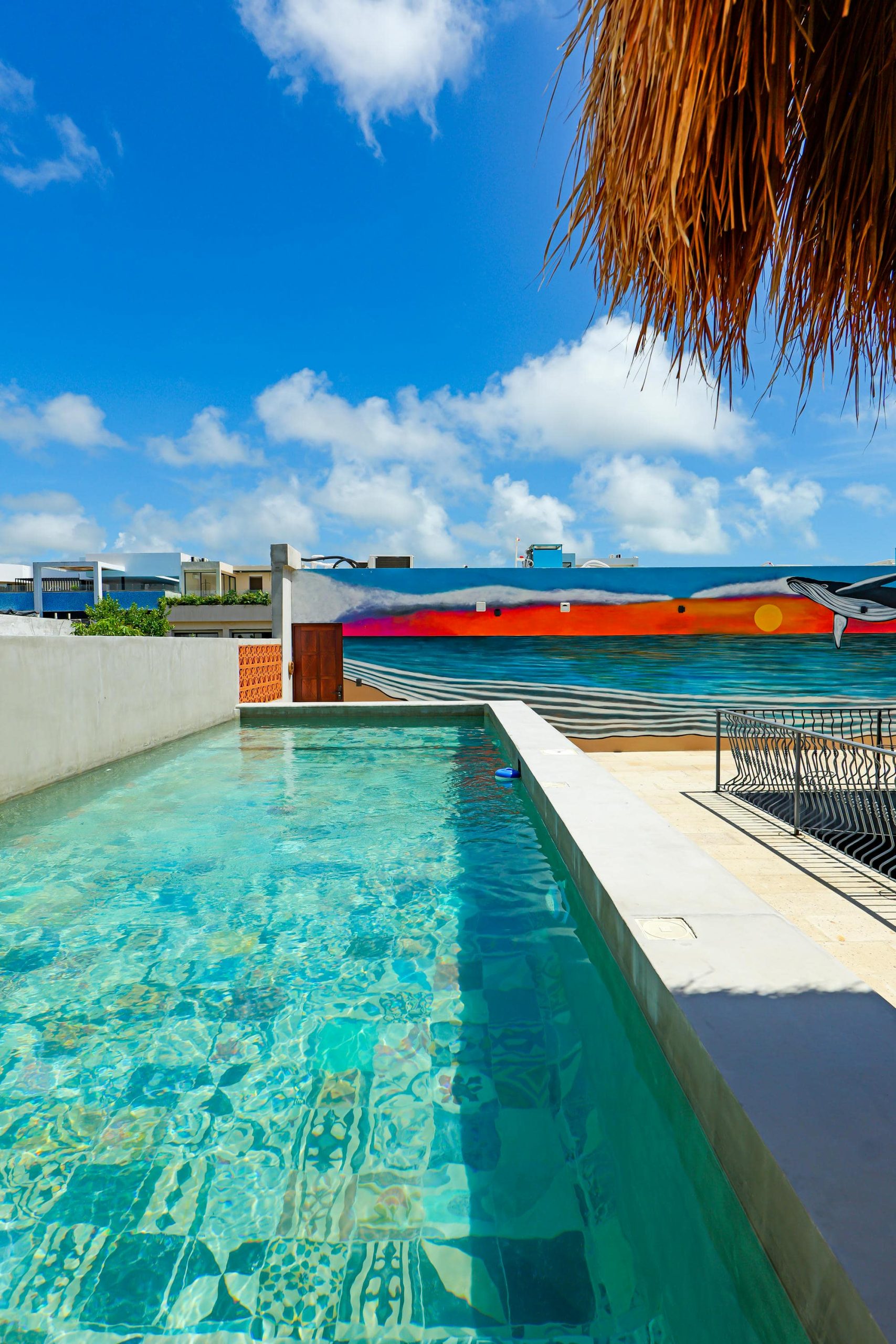
For wellness-focused travelers staying somewhere like Calea Tulum — where the experience is built around the jungle and the studio, not the beach — the heat is manageable if you plan around it. Morning yoga or sound healing, downtime during the afternoon rain, evening walks when it cools. It works. But go in with clear expectations.
Best for: Budget-conscious travelers, cenote explorers who want total solitude, those genuinely unbothered by heat and humidity.
—
How Sargassum Changes the Calculus
Sargassum — the brown seaweed that washes ashore along Caribbean coastlines — has become one of the defining variables in Tulum trip planning since 2018. In 2026, volumes have been among the worst on record. Here’s how it breaks down by season:
- November–February: Minimal to none. Best beach conditions of the year.
- March–April: Can begin arriving in some years. Ranges from light to significant depending on ocean currents.
- May–August: Most likely to be heavy and widespread.
- September–October: Begins clearing noticeably. By late October, most beaches are significantly improved.
For guests staying at a beachfront property, sargassum is a major factor. For guests at Calea Tulum — a boutique wellness hotel in Aldea Zama, a 7-minute drive from the beach — it’s relevant context but doesn’t define the stay. If beach conditions aren’t ideal on a given day, the itinerary shifts to cenotes, the ruins, or a Centro Calea session. That flexibility is part of what makes a jungle-based hotel resilient across all seasons.
—
Best Time for Wellness-Focused Travelers
If your Tulum trip is built around slowing down, practicing yoga, exploring cenotes, and genuinely disconnecting — here’s the honest answer:
First choice: October–November. Better-than-expected weather, sargassum clearing off the beaches, Hanal Pixán as an unrepeatable cultural moment, thin crowds, and good pricing. This is when Tulum reveals itself to travelers who know where to look.
Second choice: November–February. The gold standard for a reason. Perfect weather, beaches at their best if you want them, the full Tulum experience. Book early and budget accordingly.
Viable with the right expectations: June–July, March–April. Both have real merit. June–July offers World Cup energy and lush green scenery; March–April delivers excellent weather but climbing prices and the early edge of sargassum season.
Approach with open eyes: August–September. Doable and affordable, but the conditions require honest preparation.
At Calea Tulum, every stay includes a complimentary yoga class at Centro Calea — our on-site wellness studio with drop-in sessions in sound healing, somatic movement, and community practice. The experience holds across all seasons. The question is which season fits your life.
Come when you’re ready.
Book your stay at caleatulum.com.
—