Temazcal in Tulum: The Mayan Sweat Lodge and What to Expect
If you’ve spent any time researching wellness in Tulum, you’ve seen the word temazcal. It appears on spa menus, retreat itineraries, and every “top things to do in Tulum” list. But for many travelers — especially first-timers — it remains a mystery. What actually happens inside? What does it feel like? Is it something you’ll enjoy, or something you’ll need to survive? This is a clear, honest guide to temazcal: where it comes from, what the experience involves, and why Tulum is one of the most meaningful places in the world to try it.
—
What Is a Temazcal?
Temazcal comes from the Nahuatl word temazcalli — roughly, “house of heat.” It’s a traditional Mesoamerican sweat lodge with deep roots in indigenous cultures across Mexico and Central America, including the ancient Maya. This is not a modern wellness trend dressed in ritual language. Temazcal has been practiced for over a thousand years, used for purification, healing, and spiritual ceremony.
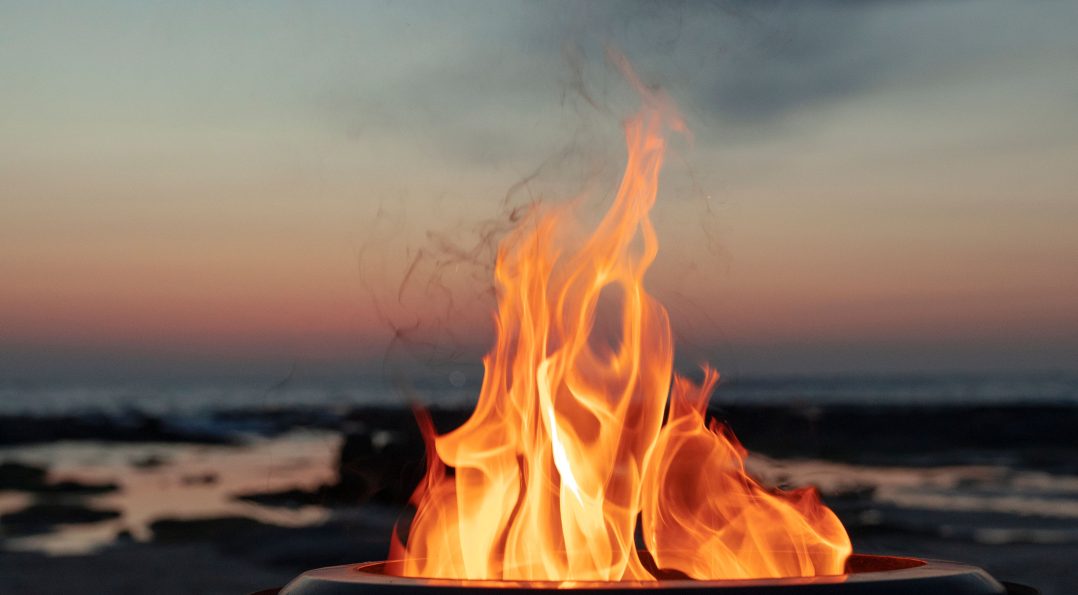
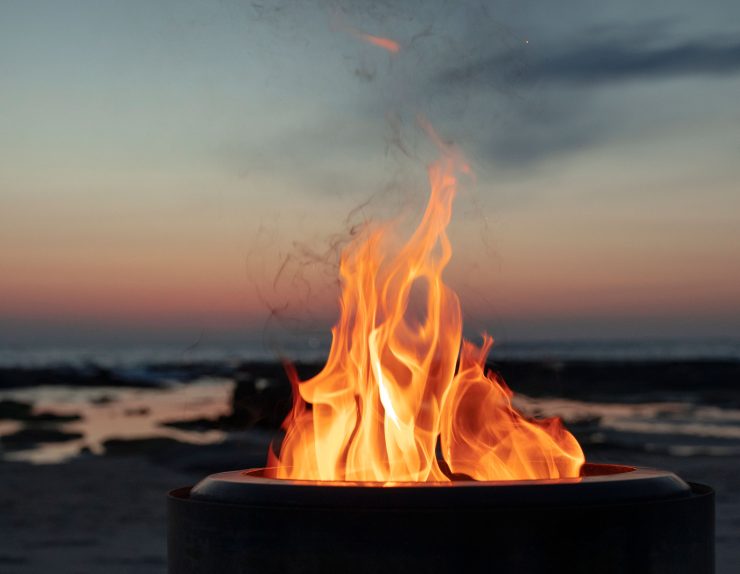
The structure itself is a low dome, typically built from volcanic stone or clay. Inside, volcanic rocks — called abuelitas (grandmothers) — are heated in an outdoor fire until they glow. They’re brought into the dome and placed in a central pit. The door closes. The temazcalero — the ceremony facilitator — pours water infused with medicinal herbs over the stones, producing waves of steam. The temperature rises. The ceremony begins.
Sessions typically run 60 to 120 minutes. Most are conducted in near-total darkness, accompanied by chanting, singing, drumming, or guided meditation. The herbs vary by tradition and intention — copal, eucalyptus, rosemary, lavender, hierba santa — each chosen for its properties and symbolic significance.
—
The Experience, Step by Step
Before you enter
Most temazcaleros ask that you avoid eating for two to three hours beforehand. Hydrate well throughout the day. Wear a swimsuit or minimal clothing — you will be completely soaked. Before the ceremony begins, the facilitator will offer an orientation: what will happen, how the rounds are structured, what to do if you feel overwhelmed. Take it seriously and ask any questions you have.
The entry
You enter the dome on hands and knees, a gesture of humility. The space is small — a circle around the central pit, typically fitting 8 to 14 people, though smaller ceremonial sessions exist. As the first stones arrive, the heat builds gradually.
The rounds
Traditional temazcals are divided into four rounds (vueltas), each associated with a cardinal direction and often with an element or intention — earth, water, fire, air. Between rounds, the door opens briefly for fresh air and water. People can step outside at any point. Each round brings more stones, more steam, and deepening intensity.
What you feel
The first round feels manageable. The second brings intense sweating. By the third and fourth, the heat is profound: you’re breathing slowly and deliberately, eyes often closed, body releasing in ways that don’t happen in ordinary stillness. Many people cry — it’s common, expected, and welcomed. The experience oscillates between physical discomfort and something that can only be described as surrender.
After
You emerge — again on hands and knees — into air that feels impossibly fresh. The temazcalero typically offers cold water or a cold rinse. Rest is not optional. The integration period after the ceremony is as important as the ceremony itself. Many people feel light-headed, tender, and deeply relaxed. Give yourself a slow afternoon.
—
The Physical and Emotional Effects
Temazcal is not a sauna with drumming. The effects are real and should be understood before you go.
- Sweating and detoxification: You’ll sweat intensely. The body expels water, sodium, and metabolic waste through the skin.
- Cardiovascular stimulation: Heart rate increases significantly in the heat. This is why temazcal is not recommended for people with heart conditions, high blood pressure, or who are pregnant. Consult a physician if you have any concerns.
- Muscle release: The sustained deep heat loosens muscular tension in ways that persist for days after the ceremony.
- Emotional release: The combination of heat, darkness, rhythm, and ceremony creates conditions for emotional processing that many people describe as cathartic or even transformative. Grief, joy, and relief all show up regularly in the dome.
- Claustrophobia: The space is small and dark. If you have claustrophobia, tell your facilitator before the ceremony begins. Sitting near the door is always an option. Leaving during a round is always allowed.
A good temazcalero will ask about your health before you begin. Be honest.
—
Tips for First-Timers
- Don’t eat for 2 to 3 hours before. A full stomach and intense heat are a difficult combination.
- Hydrate throughout the day, not just in the hour before.
- Wear a swimsuit or wrap. Bring a towel and a clean change of clothes.
- Tell the facilitator it’s your first time. They’ll adjust their approach.
- You can step out during any round. This is not failure — it’s self-knowledge.
- Plan for a slow afternoon and evening after the ceremony. The integration is not a side effect; it’s part of the practice.
- Skip alcohol the day of. Your body will thank you.
—
Why Tulum
Tulum sits on Mayan land. The spiritual and healing traditions of the Maya are not an add-on here — they’re the original context. Cenote bathing, cacao ceremony, plant medicine, and temazcal are woven into the history of this landscape. When you participate in a temazcal in Tulum, you’re doing it in the place where these practices were developed.
The jungle environment amplifies the experience. When you emerge from the dome and step into Tulum’s humid, green air — hear birds, feel soil beneath your feet — the integration is physical and immediate. There’s no fluorescent hallway to walk through. Just jungle.
Tulum’s wellness community has also matured significantly. The best temazcal facilitators working here are trained in traditional lineages, not performing a trend. Seek personal recommendations, ask about the temazcalero’s background and training, and trust your instinct about the space you choose. Mexico ranked first globally for yoga retreats in 2026 — the infrastructure of serious practice exists here.
—
Building a Full Wellness Itinerary Around Temazcal
A temazcal works best as part of a broader practice. The days before and after it matter. What you do with the opening it creates determines how much of the experience integrates.
Centro Calea, the wellness studio inside Calea Tulum, is built for exactly this kind of container. The studio’s three pillars — Práctica (movement), Voz (voice and expression), and Encuentro (community) — provide a natural home for the inner work that a temazcal often opens.
Roos van Barneveld, trained at Codarts Rotterdam in somatic movement and contemporary dance, leads movement sessions that help you reconnect with your body after an intense experience. Sofia’s sound healing sessions with metal singing bowls offer a gentler, vibrational practice — a perfect complement to the raw heat of a ceremony. Drop-in classes run at 200 MXN, and every stay at Calea Tulum includes one complimentary yoga class.
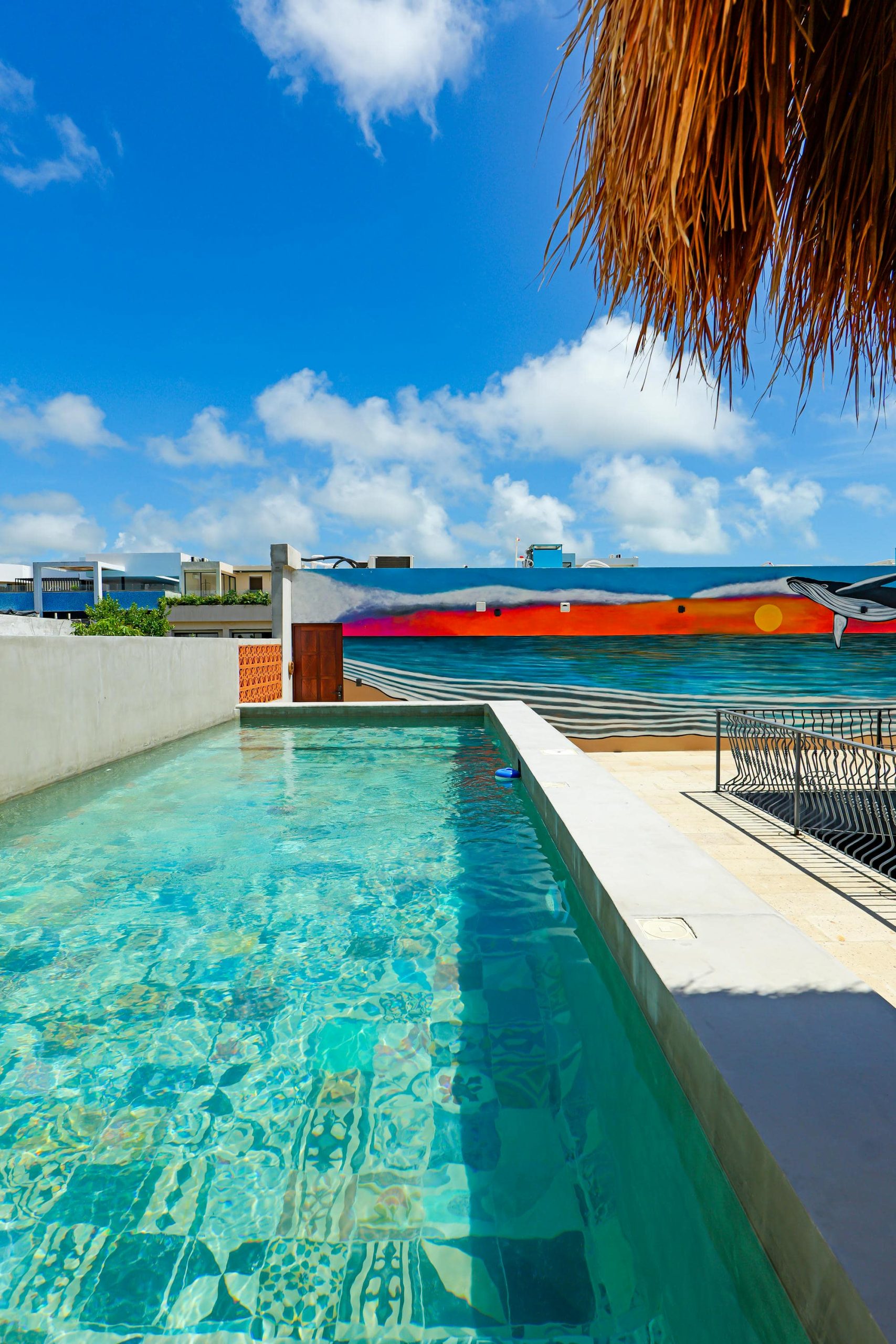
Calea Tulum is a boutique wellness hotel in Aldea Zama — rated 8.8/10 on Booking.com (Guests’ Choice, 64 reviews), with 26 rooms including the Rooftop Sanctuary and its panoramic jungle views. The hotel is 10 minutes on foot from downtown Tulum, 7 minutes by car from the beach, and walking distance from Gran Cenote. As a base for a full wellness itinerary — temazcal, cenote bathing, movement, sound healing, and jungle rest — the location and spirit are exactly right.
—
Temazcal is not for everyone, and it shouldn’t be — the ceremony’s power comes from its honesty. But if you approach it with respect, preparation, and the right container around it, it offers something very few wellness experiences can: a genuine encounter with your own body, and a reset that goes deeper than any massage.
Plan your Tulum wellness itinerary at caleatulum.com — and make Centro Calea your base.
—