Tulum Yoga Retreat: What to Expect and How to Choose One
You’ve searched “tulum yoga retreat” and landed somewhere between excited and overwhelmed. The options range from week-long structured programs with fixed schedules and shared rooms to boutique hotel stays where you design the pace yourself. The prices span just as wide. And the marketing — all jungle canopy and golden-hour warrior poses — makes everything look identical from the outside. This guide cuts through it. Here’s what a yoga retreat in Tulum actually looks like, how to figure out what you need, and what separates a genuinely transformative stay from a well-photographed one.
—
What “Yoga Retreat in Tulum” Actually Means
The phrase covers two very different things, and most searches don’t distinguish between them.
The first is a structured group retreat: a fixed-length program — usually five to ten days — led by a visiting teacher or resident team. You arrive on a specific date, follow a preset schedule, share meals with the group, and leave on a preset date. The itinerary is decided for you. These retreats are often hosted at jungle properties or beachside venues, sometimes booked out entirely by the retreat organizer.
The second is a self-directed wellness stay: you book a hotel with on-site daily programming, show up on your own timeline, and design your own rhythm. Morning yoga when you want it, a cenote afternoon when the mood strikes, a sound healing session you didn’t plan. No cohort, no fixed schedule, no group meals unless that’s what you want.
Both are valid. They serve different needs. Most travelers searching for a yoga retreat in Tulum don’t realize the second option exists — or that it might suit them better.
—
What a Structured Yoga Retreat in Tulum Looks Like
If you want the full immersion — accountability, community, a teacher holding the arc of the week — a structured retreat delivers that. You’ll typically wake early (6 or 7 a.m. practices are standard), practice twice a day, eat together, and follow a curriculum designed to build over the duration of the retreat.
The tradeoffs are worth knowing before you book:
- Location: Many retreat centers are deep in the jungle or on the beach zone — beautiful, but isolated. Getting to a cenote, a restaurant, or the town requires planning.
- Group dynamics: You’re sharing the space with strangers. The cohort makes or breaks the experience.
- Rigidity: The schedule is the schedule. If you need a slow morning or want to skip a session, that can feel difficult in a group context.
- Teacher quality: This is the variable that matters most and the one you can research least from a booking page. Look for teaching credentials, lineage, and whether the teacher has reviews from past retreat participants specifically.
A good structured retreat with the right teacher in a well-designed setting is one of the most powerful wellness investments you can make. The risk is booking a beautiful venue and discovering the teaching doesn’t match the aesthetic.
—
Why Many Travelers Do Better with a Self-Directed Wellness Stay
The appeal of a yoga retreat is often the appeal of permission — permission to slow down, practice daily, and be somewhere that makes that possible without a fight. A self-directed wellness stay at a hotel with strong on-site programming gives you that permission without the structure you may not actually want.
You arrive when you arrive. You practice when you want. If you want to go to yoga every morning and a sound healing every other afternoon, you can. If you want to take a day entirely off and spend it at a cenote, nothing is lost. The programming is there when you want it. The rest of Tulum is there when you don’t.
This format works especially well for:
- Solo travelers who want community without cohort commitment
- Couples who want shared wellness experiences without identical schedules
- People who’ve done structured retreats before and now know what they need
- Anyone whose travel style resists fixed timetables
—
Five Questions Worth Asking Before You Book Any Yoga Retreat in Tulum
These criteria point toward quality — and they happen to describe what makes Calea Tulum and Centro Calea work.
1. What is the teacher’s training and lineage? A 200-hour certification and five years of teaching are very different things. Look for depth, not just credentials.
2. What style of yoga is offered? Vinyasa, yin, somatic movement, and restorative are not interchangeable. Know what you’re booking.
3. Is the wellness programming on-site or off-site? Off-site usually means coordination, transport, and scheduling friction.
4. What does “included” actually mean? One class per stay vs. unlimited access vs. a fixed retreat schedule — these are different products.
5. What does the space feel like in the morning? Reviews that mention mornings specifically (birdsong, quiet, slow coffee) are usually a reliable signal.
—
Calea Tulum and Centro Calea: A Different Kind of Yoga Retreat in Tulum
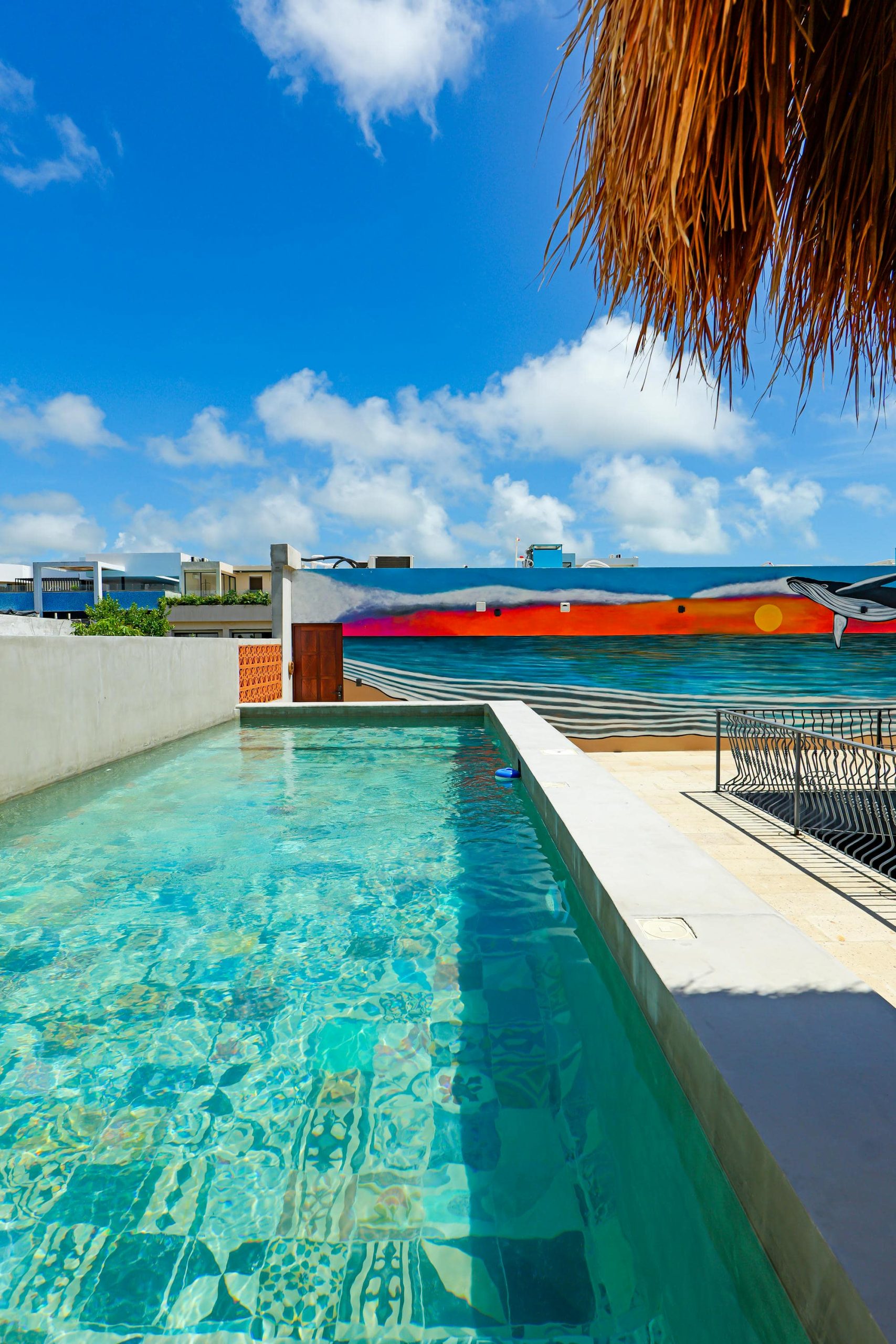
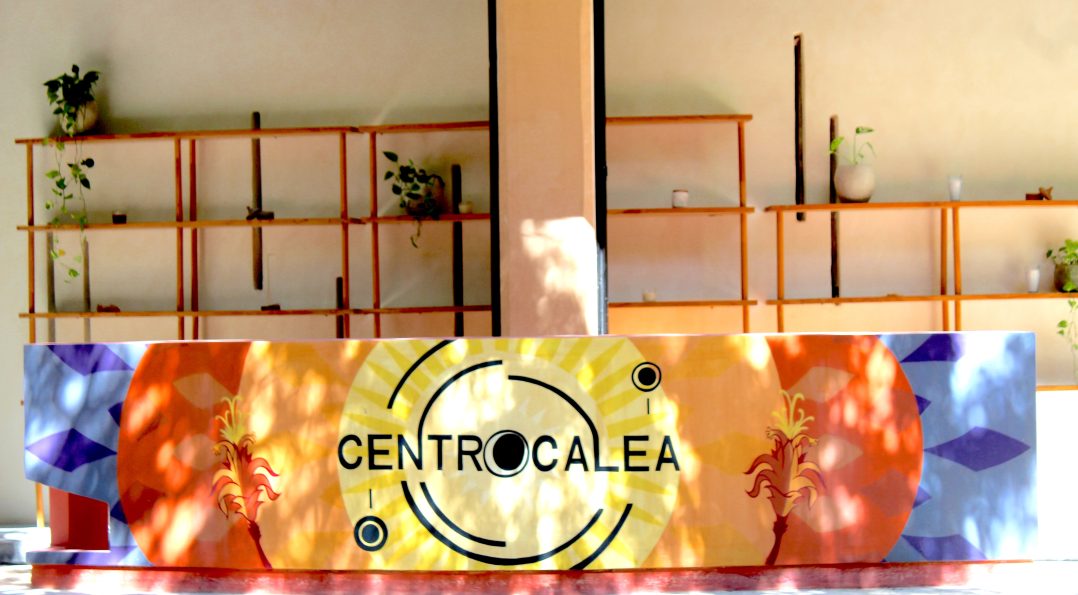
Centro Calea is the on-site wellness studio at Calea Tulum, a boutique hotel in Aldea Zama — Tulum’s most walkable and safest neighborhood, 10 minutes from the town center and 7 minutes from the beach. The studio launched in April 2026 around three pillars: Práctica (movement), Voz (voice and expression), and Encuentro (community).
The practitioners are specific people, not interchangeable instructors.
Roos van Barneveld is a Codarts Rotterdam graduate who leads contemporary dance and somatic movement sessions. Her classes are precise and grounded in serious training — closer to a movement practice than a flow class, and consistently described by guests as something they hadn’t experienced before.
Sofia brings a different discipline to the studio. Her sound healing sessions use metal singing bowls placed throughout the room, creating layered overtones that shift the nervous system in ways that are both physiologically real and hard to anticipate. Guests who arrive skeptical tend to leave converted.
Every Calea hotel stay includes one complimentary yoga class at Centro Calea. Drop-in classes for additional sessions or outside visitors are 200 MXN. The full schedule runs daily, and you attend what you want, when you want.
—
A Few Honest Notes on Tulum as a Wellness Destination
Tulum earns its reputation, but it helps to know what you’re arriving into. The jungle environment — warm air, humidity, birdsong, slower pace — genuinely accelerates the kind of shift that wellness practices aim for. Your nervous system begins downshifting before you’ve even unrolled a mat.
At the same time, parts of Tulum are loud, crowded, and commercially optimized for wellness aesthetics rather than wellness substance. Aldea Zama is the exception: a residential neighborhood that was developed intentionally, is genuinely quiet after dark, and doesn’t operate on the beach zone’s energy-at-all-hours rhythm. That distinction matters a lot for sleep, and sleep is most of recovery.
—
The best tulum yoga retreat is the one that gives you what you actually came for — not the one with the most compelling Instagram grid. Know which format suits you, ask the right questions, and look for specificity over scenery. If daily movement practice, real practitioners, and the freedom to make it your own sounds right, Calea Tulum was built for exactly that.
Explore rooms and plan your wellness stay at [caleatulum.com](https://caleatulum.com)
—