How to Get to Tulum: A Quick Guide from Cancún
Getting to Tulum is the first step of an adventure you’ll remember for a long time. This guide is designed to make your trip as relaxed and enjoyable as your stay with us. Forget stress and second-guessing—here you’ll find the most common routes and the best transportation options so you can choose what works best for you.
That way, your only job is to enjoy.
First Steps to Reach Paradise
Tulum is no secret. It has become one of Mexico’s most important destinations, welcoming 1,348,901 tourists between January and October, according to official figures. With so many people visiting, planning your arrival well is key. If you want to learn more about how the area has grown, you can read this report about Tulum and its access routes.
The first decision is which airport you’ll fly into. That choice will define the time, budget, and logistics of the first hours of your trip.
Cancún Airport vs. Tulum Airport
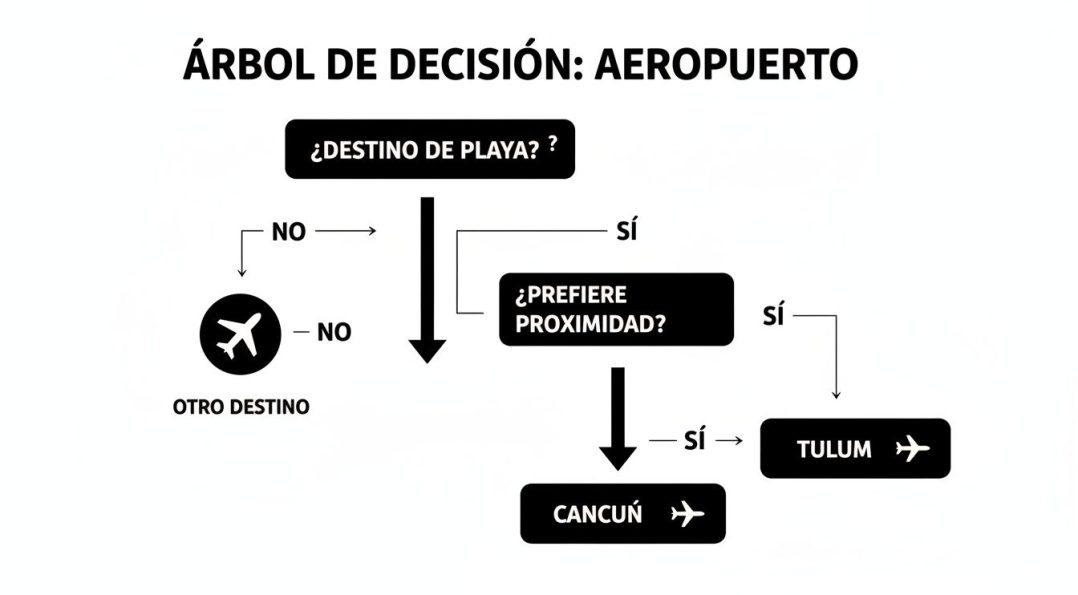
The big question: should you fly into Cancún International Airport (CUN) or the new Tulum International Airport (TQO)? The answer depends on what you’re looking for.
-
CUN has a much larger selection of domestic and international flights, which usually means better prices. The trade-off: it’s about 120 km away, so you’re looking at nearly two hours on the road.
-
TQO, on the other hand, puts you 20–30 minutes from areas like Aldea Zama, where we’re located. It’s incredibly convenient if you want to start your vacation right away and avoid long transfers.
If your plan is to go from plane to hammock as fast as possible, Tulum Airport (TQO) is, without a doubt, your best option. It lets you start relaxing almost the moment you land.
Next, we’ll break down transportation options from both airports—pros and cons included—so you can pick what best fits your style and budget:
-
ADO Bus: the most reliable and budget-friendly choice.
-
Colectivos: for travelers looking for a more local, low-cost experience.
-
Private Transfers: for maximum comfort and zero hassle.
-
Rental Car: total freedom to explore at your own pace.
With this guide, you’ll have everything you need to arrive at Calea Tulum in Aldea Zama smoothly—whether you’re a digital nomad coming for inspiration or a traveler here to unplug and recharge.
How to Travel to Tulum from Cancún Airport (CUN)
For most visitors to the Riviera Maya, Cancún International Airport (CUN) is the main gateway. From there, you’ve got about 120 kilometers before you start feeling Tulum’s unique vibe. The drive typically takes 90 minutes to two hours, depending on traffic—and of course, how you choose to get there.
Even though it’s a longer stretch, the highway is in excellent condition and there are options for every style and budget. From an easy bus ride to a private driver, here are the best alternatives so you can choose what matches your plan.
As you can see, landing in Cancún means more flight options—but also a longer ground transfer to reach Tulum.
The ADO Bus: Reliable and Budget-Friendly
ADO buses are easily the most popular and affordable way to make the trip. They’re safe, comfortable, and take you straight to Tulum. It’s the perfect option if you’re traveling solo, as a couple, or simply want something practical without overspending.
The best part: buses depart directly from the Cancún airport terminals, so you don’t need to go into the city to catch one.
-
Frequency: departures are almost every hour, so you usually won’t wait long.
-
Cost: a one-way ticket is typically $300–$450 MXN per person.
-
Comfort: air conditioning, comfortable seats, and plenty of luggage space.
Traveler tip: Buy your ADO tickets online in advance—especially during high season (December to April). You’ll secure your seat and sometimes get better prices.
Private Transfers for Maximum Comfort
If you’re traveling as a group, with family, or you simply want a stress-free start, a private transfer is your best move. Someone will be waiting for you at the exit with your name on a sign, help with your bags, and drive you straight to your destination—like Calea Tulum—with no stops.
Yes, it’s the pricier option, but after a long flight, the convenience of arriving with zero hassle can be worth it.
Renting a Car: The Road to Freedom
Renting a car gives you total flexibility—not only to get to Tulum, but to explore everything the Riviera Maya offers: hidden cenotes, quiet beaches, and day trips to places like Valladolid or Cobá.
Major rental agencies have counters right at the airport. Highway 307, which connects Cancún to Tulum, is a modern and safe main road.
Things to keep in mind when renting a car
-
Book ahead: you’ll usually get better rates and guarantee the vehicle type you need.
-
Insurance: Pay attention here. Make sure you understand what’s included. Third-party liability insurance (TPL) is mandatory in Mexico and is often not included in the “online price.”
-
Parking: Parking in Tulum can be tricky. The good news: Calea Tulum has parking for guests, so you don’t have to worry about that.
Colectivos: The Local Experience
For adventurous travelers or those on a very tight budget, there are colectivos (shared vans). The catch: there’s no direct route from the airport. You’d need to take an ADO bus or a taxi to Playa del Carmen, and from there hop on a colectivo to Tulum.
It’s the cheapest option, but also the slowest and least comfortable—especially with lots of luggage. It’s best for backpackers traveling light and wanting a fully local experience.
Transportation Comparison: Cancún Airport (CUN) to Tulum
Here’s a quick table to make it easier to compare:
| Option | Estimated Cost (MXN) | Travel Time | Best For |
|---|---|---|---|
| ADO Bus | $300–$450 per person | ~2 hours | Solo travelers, couples, moderate budget |
| Private Transfer | $1,500–$2,500 per vehicle | ~1.5–2 hours | Families, groups, comfort seekers |
| Rental Car | $800–$1,500 per day (with insurance) | ~1.5–2 hours | Independent travelers who want to explore |
| Colectivo (via Playa) | ~ $100 per person (total) | ~2.5–3 hours | Backpackers, tight budgets |
In the end, how you get from Cancún to Tulum depends on what you want. If you’re looking for the best balance between cost and comfort, ADO is hard to beat. If you want full independence and the freedom to explore, rent a car. And if your motto is “zero complications,” a private transfer will make your life easier.
Arriving from the New Tulum Airport (TQO)
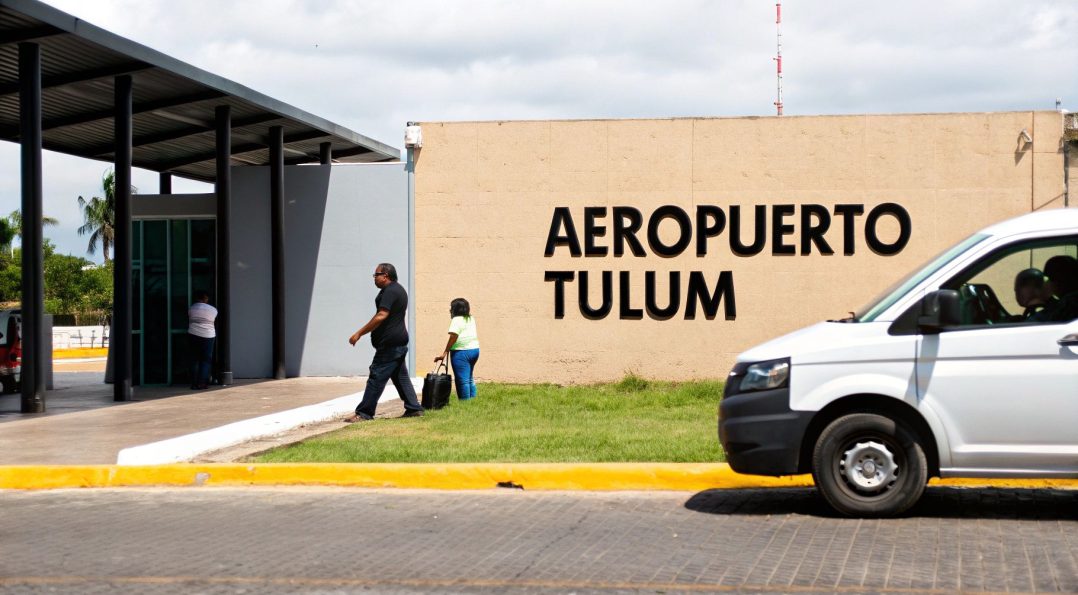
The opening of Tulum International Airport (TQO)—also known as Felipe Carrillo Puerto Airport—has changed travel in the region. Before, landing in Cancún and enduring a long highway transfer was the only option. Now, paradise is literally just minutes after you step off the plane, making your arrival smoother and more relaxed.
This airport doesn’t just shorten distances—it changes how your vacation begins. For a digital nomad heading to Calea Tulum, it means going from arrivals to being connected to our high-speed internet in under an hour. For a couple on a romantic getaway, it means starting the trip instantly—without the fatigue of a long drive.
Your transportation options from TQO
Because it’s a modern terminal, transportation is organized to be efficient and safe. While some details are still being refined, today’s options can get you to your destination without complications:
-
Authorized taxis: right outside the terminal you’ll see official taxis. It’s the fastest, most direct option. A ride to Aldea Zama usually takes 20–30 minutes, and fares are typically $400–$600 MXN.
-
Pre-booked private transfers: if you want everything solved in advance, reserve a shuttle or private transfer. A trusted company will meet you with a sign, give you a fixed price, and drop you at the door.
-
ADO bus: ADO also offers routes from TQO to the bus terminal in downtown Tulum. It’s the cheapest option, but from the town terminal you’ll need a taxi to get to your hotel.
The new infrastructure is already impacting tourism. During the December holiday period, Quintana Roo received over one million visitors. While Cancún grew by 5%, Tulum—with its newly opened airport—showed a 1% increase, going from 139,000 to 141,000 tourists. It’s a clear sign that easier access draws more visitors, and TQO is expected to continue driving that growth.
Tips for a Smooth Arrival
To make sure your first impression of Tulum is a great one, follow these practical recommendations. They’ll help you avoid surprises and start the trip on the right foot.
How to spot trustworthy services
-
Look for official counters: inside the airport you’ll find kiosks for authorized transportation companies. It’s the safest place to book.
-
Agree on the price before you get in: if you take a taxi, confirm the total fare with the driver first to avoid misunderstandings.
-
Check credentials: official vehicles and drivers display identification. Don’t hesitate to ask if something feels off.
The biggest advantage of Tulum Airport is immediacy—you’re a short ride away from the destination’s vibe, whether that means relaxing by the pool at Calea Tulum or exploring Aldea Zama’s restaurants.
The short distance doesn’t just save time—it dramatically reduces travel stress. That matters if you’re looking for a wellness-oriented experience from the very first minute. If you want more details on how this terminal is reshaping the Riviera Maya, check our guide to the new Tulum airport and its advantages.
Exploring Overland Routes to Tulum
Tulum is a hub that connects travelers across the Yucatán Peninsula. Its location makes overland travel from other key destinations easy—and often part of the adventure. Many travelers combine Tulum with nearby stops, and here’s how to do it without confusion.
Whether you’re coming from vibrant Playa del Carmen, the dreamy Lagoon of Bacalar, or colonial Mérida, there are solid routes and transportation options for every budget and style. Let’s break it down.
From Playa del Carmen: Fast and Flexible
Playa del Carmen is basically next door. At just 65 km, the ride is usually 45–60 minutes, depending on highway traffic. That closeness gives you tons of flexibility.
Options from Playa
-
Colectivos: the most local and cheapest option. Shared vans leave constantly from a small terminal on Calle 2 Norte, between Avenida 15 and 20, right in downtown Playa. Cost is around $45 MXN per person. Tell the driver you’re getting off in Tulum and they’ll drop you on the main highway; from there, a short taxi ride takes you to your final destination.
-
ADO bus: for more comfort—especially with luggage—ADO is the best bet. Departures are frequent from Playa’s two terminals (the one near Quinta Avenida and the alternate terminal). Tickets are usually $100–$150 MXN and arrive at Tulum’s downtown bus station.
From Bacalar: A Trip Between Paradises
Linking the peaceful Lagoon of Seven Colors with Tulum’s bohemian vibe is a great plan. The distance is about 215 km, and the route is straightforward and pleasant—around 2.5 hours.
The easiest option is the bus. ADO runs several daily departures connecting Bacalar to Tulum. Tickets usually cost $300–$450 MXN, depending on the schedule and how early you book. It’s a comfortable ride through the Quintana Roo jungle without needing to drive.
Traveler tip: take the first bus in the morning from Bacalar. You’ll arrive in Tulum with plenty of time to settle in—at Calea Tulum, for example—and still have the afternoon free to explore or jump in our pool.
From Mérida: Crossing the Peninsula
Traveling from the Yucatán capital to the Caribbean coast is an experience in itself. By car, you have two main routes: the toll road (180D) and the free road (180). The toll road is faster and safer and gets you to Tulum in about 3.5–4 hours.
If you’re not renting a car, ADO first-class buses are your best friend. There are multiple departures daily, including overnight options that let you sleep on the way and wake up in the Caribbean. Tickets range from $450–$600 MXN, and it’s a safe and comfortable way to cross the peninsula.
For travelers who want every detail to plan the trip, we’ve prepared a complete guide. Learn more about how to get to Tulum in our 2025 travel guide and discover all the tips for a perfect journey.
Overland route summary
| Route | Approx. Distance | Travel Time | Main Options | Estimated Cost (MXN) |
|---|---|---|---|---|
| Playa del Carmen → Tulum | 65 km | 45–60 min | Colectivo, ADO, Taxi | $45–$150 (public) |
| Bacalar → Tulum | 215 km | ~2.5 hours | ADO, Car | $300–$450 |
| Mérida → Tulum | 260 km | 3.5–4 hours | ADO, Car | $450–$600 |
No matter where you’re coming from, the key to stress-free overland travel is a bit of planning. Buying bus tickets online in advance—especially in high season—secures your seat and often gets you better prices. If you’re driving, check road conditions and fill up the tank; gas stations can be scarce on certain stretches. With these tips, your arrival in Tulum will be as good as your stay.
Getting Around Tulum and Reaching Calea in Aldea Zama
Congrats—you’re in Tulum. Now comes the fun part: moving around and starting to feel the local rhythm. To truly enjoy it, it helps to understand the layout. Tulum is split into three main areas: downtown (pueblo), the iconic Hotel Zone along the beach, and the modern community of Aldea Zama.
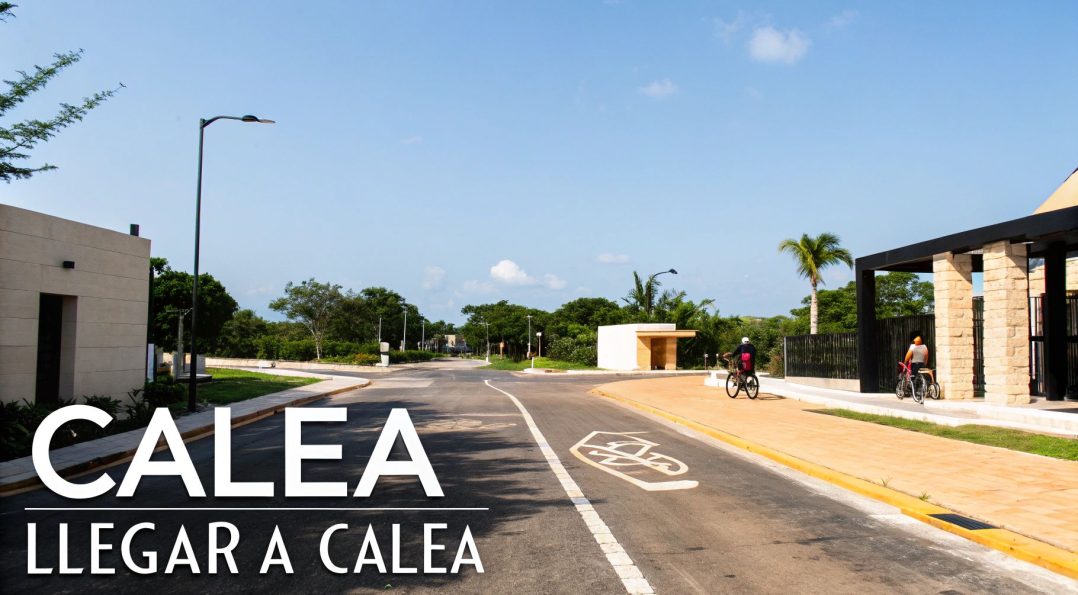
Each has its own vibe. Downtown is authentic, packed with taquerías, local shops, and everyday life. The Hotel Zone is the epicenter of beach clubs, bohemian fashion, and nightlife. Aldea Zama—where we are—is a calm, design-forward refuge, perfectly positioned between town and the beach.
How to reach your home in Aldea Zama
If you arrive by bus, you’ll start from the ADO terminal in downtown Tulum. From there, the easiest and fastest way to reach Calea Tulum is by taxi. The ride is short—about 5–10 minutes—and shouldn’t cost more than $100–$150 MXN. Just tell the driver you’re going to Calea in Aldea Zama; most drivers know the area well.
If you’re driving in on Highway 307, it’s equally simple. When you reach Tulum’s main entrance, take Avenida Cobá (the road that goes toward the beach). On your right, you’ll see the well-marked entrance to Aldea Zama. Once inside, you’ll notice the streets are in excellent condition. And at Calea, one of the most valuable perks in Tulum is waiting for you: free, secure parking. In a place where parking can be a challenge, that’s real luxury.
The Bicycle: Tulum’s #1 Mode of Transport
In Tulum, a bike is more than transport—it’s part of the lifestyle. It’s hands down the best way to explore, feel the Caribbean breeze, and forget about traffic and parking. From Calea Tulum, you’re in the perfect spot to bike everywhere.
-
To the beach: a pleasant 10-minute ride on safe bike lanes to public beaches and beach clubs.
-
To the ruins: about 10–15 minutes by bike to the archaeological zone.
-
To downtown: less than 5 minutes—perfect for dinner or browsing local shops.
A bike gives you a freedom no other option can match. You’ll find hidden corners—from secret cenotes to small cafés that don’t show up in guidebooks. At Calea, we can help you rent one so you can start exploring the moment you arrive.
Mobility plays a major role in every traveler’s experience. Recently, Tulum has seen some fluctuations in tourism: hotel occupancy dropped from an average of 74% to 66.7% in September, and hit a low of 49.2% in one week. While some access points to the National Park made the coastal road more complicated, the opening of Tulum Airport has helped—recording 43,746 passengers in May alone. For guests, this can mean a more relaxed atmosphere and better rates for flexible stays.
Other Ways to Get Around
While bikes are the undisputed queen, there are other practical options—especially for longer distances or if you’re traveling with more people:
-
Local taxis: you’ll see them everywhere. Golden rule: always agree on the price before you get in—there’s no meter. Rates can vary a lot depending on time and season.
-
Scooter rentals: scooters are faster and great for exploring farther—like the cenote route or more remote beaches. Easy to park, but always wear a helmet and drive carefully, especially at night.
At Calea Tulum, we want your stay to feel as effortless and smooth as the destination itself. From parking to local tips, we’ll help you move around without stress. Discover how our facilities are designed to be your home base in Tulum and make your trip unforgettable.
Common Questions When Planning a Trip to Tulum
To leave no loose ends, here are the questions we hear most often—clear, straight answers to help you avoid last-minute surprises and make your arrival as great as the rest of the adventure.
What’s the best time of year to visit Tulum?
For ideal weather, the best season is November through May. These months bring drier, sunnier days and comfortable temperatures for beaches, cenotes, and ruins.
Keep in mind that December to April is high season, which means more visitors and higher prices. If you want a calmer experience and better deals, November, early December, or May are excellent choices.
Is it safe to drive at night from Cancún?
Yes, generally it’s safe. Highway 307 is modern, well-traveled, and connects the entire Riviera Maya. The constant flow of cars and tourist buses makes it feel fairly secure even after dark.
Still, basic precautions matter. Watch for speed bumps (“topes”), which can appear with little warning when passing through towns like Playa del Carmen. If it’s your first time driving the route—or you simply don’t feel like driving at night—ADO buses and private transfers are great alternatives for arriving relaxed.
Practical tip: fill up the tank before you leave. Gas stations exist, but some stretches are more spaced out than you’d expect. And when you arrive, don’t worry—Calea Tulum has secure parking, no matter what time you get in.
What’s the cheapest way to get here from Cancún Airport?
No question: the ADO bus. It’s the most affordable and efficient option. Tickets cost $300–$450 MXN per person, and buses depart directly from the airport terminals.
The ride takes about two hours and drops you at the central station in downtown Tulum. From there, a taxi to Aldea Zama is inexpensive. It’s ideal if you’re watching your budget and not traveling with a ton of luggage.
Should I book transportation in advance?
Absolutely—especially if you’re traveling in high season (December–April) or during a holiday weekend. Booking ahead has big advantages:
-
ADO bus: buying tickets on their website or app secures your preferred schedule and often unlocks discounts not available at the counter.
-
Private transfers and rental cars: booking early is almost a rule—availability is better and prices are usually lower than last-minute airport rates.
Planning this in advance saves money, reduces stress, and makes your arrival smooth.
Can I use Uber or Didi in Tulum?
Short answer: not really. Services like Uber or Didi don’t operate legally or reliably in Tulum (or most of the Riviera Maya) due to local regulations and the strong taxi union presence.
If you’re not driving or biking, taxis are the main option. And here’s your golden rule again: always agree on the fare before getting in. Prices vary by distance, time, and negotiation. If you’re staying at Calea Tulum, we can help connect you with trusted taxi services so you can move around safely and at fair rates.
Which currency should I use?
The official currency is the Mexican peso (MXN), but many tourist-facing businesses (hotels, restaurants, shops in the Hotel Zone) accept USD. Still, you’ll almost always get a better deal paying in pesos—the exchange rate offered in tourist spots is rarely favorable.
Best practice: exchange some money into pesos upon arrival or withdraw from an ATM. For everyday expenses—taxis, local food, small shops—pesos are ideal. Credit cards are accepted in most larger places, but having cash on hand will always save you in a pinch.