Distance Between Tulum and Playa del Carmen and How to Get Around Like a Local
If you’re planning to travel between Tulum and Playa del Carmen, the first thing to know is the distance is about 65 kilometers (40 miles). The main route is Federal Highway 307, the road that connects two of the Riviera Maya’s most iconic destinations.
The trip can take anywhere from 50 minutes to 1.5 hours. Why such a big range? It depends on your transportation choice, the time of day, and whether it’s high season.
From Tulum to Playa del Carmen: More Than Just Kilometers
Understanding the distance between these two places is key to organizing your vacation well. This route isn’t just a transfer—it’s the bridge between Tulum’s bohemian, laid-back energy and Playa del Carmen’s more cosmopolitan, lively vibe. Each transportation option gives you a totally different experience depending on your budget and travel style.
Federal Highway 307 is the backbone of the Riviera Maya, and over a million tourists travel along it every year. With no traffic, a car can do the route in about an hour—but during holiday periods, it’s common for the trip to stretch closer to 1 hour and 20 minutes. If you want to go deeper, you can find detailed guides about this popular route that help you plan more precisely.
Key Factors to Consider Before You Choose
Before deciding how you’ll get around, think about these three points—seriously, they’ll make all the difference:
- Your budget: Do you want to save as much as possible with a colectivo, or do you prefer the comfort of a private transfer regardless of cost?
- Your time: Are you in a rush to arrive, or would you enjoy the ride and maybe make an improvised stop?
- Your group: Are you traveling solo, as a couple, or with family and lots of luggage?
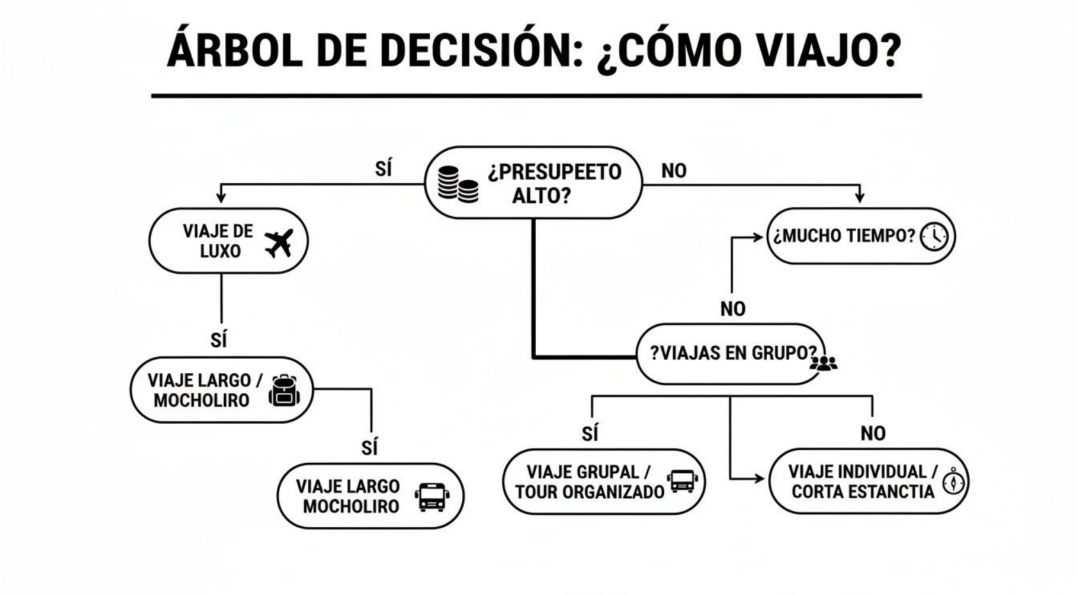
To make the choice easier, imagine a simple decision tree that helps you prioritize cost, speed, and comfort—that’s the quickest way to pick the right transportation for your trip.
How to Use Public Transportation Like a Local
If you want a more authentic experience (and you want to protect your wallet), public transportation is the best way to travel between Tulum and Playa del Carmen. Here are the local “insider” basics so you can move around confidently—whether you want comfort or you’re up for a bit of adventure.
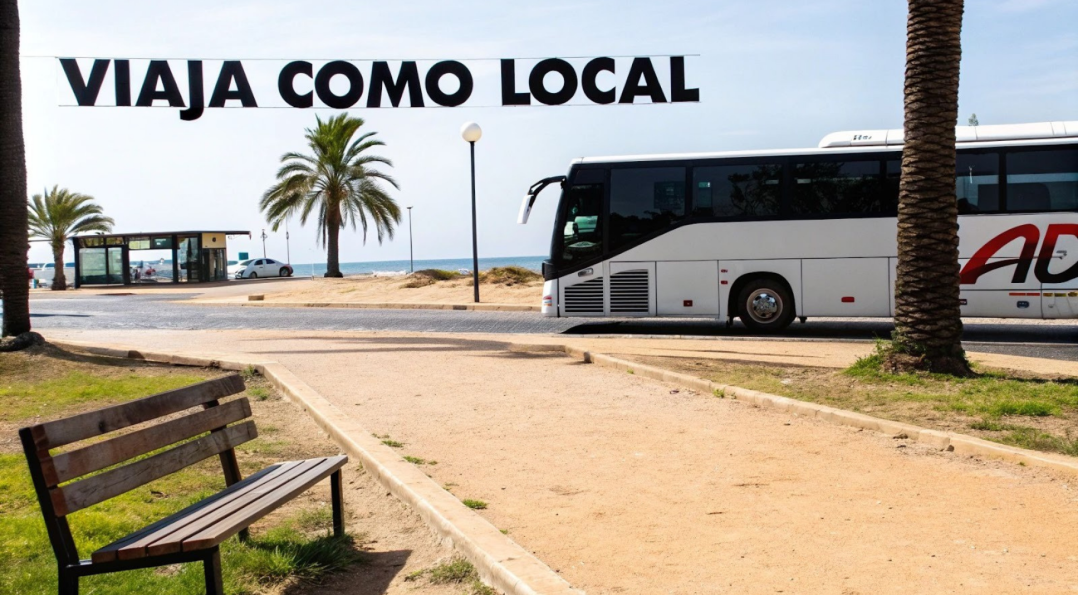
The most comfortable and predictable option is the ADO bus. These are modern coaches with air conditioning, reclining seats, and plenty of luggage space—perfect if you want a smooth ride with zero surprises.
If you’re feeling more adventurous, colectivos are the real local experience. These shared vans are usually faster, cheaper, and more flexible than anything else.
ADO vs. Colectivo: Which One Fits You?
It really comes down to travel style. Think of the ADO like a short flight: you know your departure time, your arrival time, and you travel comfortably. Colectivos, on the other hand, feel more like an improvised road trip—more dynamic, and with the freedom to hop off where you want.
- The ADO runs very frequently (often close to every 15 minutes) and carries hundreds of thousands of passengers per year on this route.
- Colectivos are ideal if you want the option to stop somewhere along the way—like a hidden cenote or a lesser-known beach.
Where to catch them:
- ADO: Go to the bus terminal in downtown Tulum.
- Colectivos: You’ll usually find them along the main avenue near the ADO area. They don’t work like formal “stops”—you flag them down and they’ll pull over.
Payment tip:
- Colectivo = cash, paid directly to the driver.
- ADO = ticket, bought at the counter or online.
If you want more transport context, check your own guide about how to get to Tulum (if you have one on your site).
Typical pricing and timing (as described):
- ADO: multiple service types; prices starting around 80 MXN (~$4 USD) with a broad schedule (roughly early morning through late night).
- Colectivo: around 40 MXN, about 50 minutes, and can drop you at key points (sometimes including places like Xcaret, depending on the route).
The Freedom of Exploring With Your Own Vehicle
If you want maximum autonomy in the Riviera Maya, renting a car or booking a private transfer is your best move. Imagine detouring off the main road to discover a quiet cenote or a truly untouched beach—without worrying about fixed schedules. That’s the magic of having your own ride.
Moving at your own pace lets you design the trip around you. Those 65 kilometers become part of the adventure—not just a commute.
Total Flexibility With a Rental Car
Renting a car is ideal if you plan to explore beyond the main tourist routes. You’ll have the freedom to visit lesser-known ruins, remote cenotes, and small local towns that don’t show up in typical tours.
This gives you full control of your itinerary, which is especially valuable if you’re traveling with family or a group. You can make spontaneous stops for a local meal—or just pull over for a view.
The biggest advantage of a rental isn’t only speed—it’s turning the distance between Tulum and Playa del Carmen into a chain of micro-adventures.
Comfort and Convenience With Private Transfers
If you’d rather avoid driving stress, parking, or navigating signage, a taxi or private shuttle is the cleanest solution. It’s especially recommended for special occasions—or any time comfort is the priority.
A private transfer picks you up at your hotel and drops you exactly where you need to go. It’s ideal for:
- Families with kids: fewer logistics, more space, safer and simpler.
- Large groups: everyone rides together and can split the cost.
- Romantic trips: enjoy the ride without thinking about anything else.
It costs more upfront—but for many travelers, the door-to-door ease is absolutely worth it.
Turn the Drive Into an Unforgettable Adventure
The distance between Tulum and Playa del Carmen is more than a number on a map. It’s 65 kilometers of opportunity. Instead of seeing it as a transfer, you can turn it into one of the best days of your vacation—where every stop becomes a memory.
Image idea (caption): A winding highway beside lush vegetation, with ocean and a sandy beach in the distance under a clear blue sky.
Federal Highway 307 is the vein connecting these two destinations, and it’s packed with natural and cultural highlights most travelers skip. With a little planning, this route becomes your personal discovery trail.
Stops You Shouldn’t Miss
Want to start your day snorkeling with sea turtles and end it exploring underground caves? This route can do that. Here are a few stops that turn “Point A to Point B” into a real adventure:
- Akumal: About halfway. Famous as a sea turtle sanctuary. With snorkel gear, you can swim alongside turtles in their natural habitat.
- Cenote Dos Ojos: One of the most spectacular flooded cave systems in the world—crystal-clear water, stunning rock formations, perfect for swimming, snorkeling, or diving (with certification).
- Theme parks: Places like Xplor or Xenses sit right off the highway—ziplines, underground rivers, and sensory experiences.
- Secret beaches: Spots like Xcacel–Xcacelito offer raw sand and a calm atmosphere—perfect for a quiet break away from crowds.
Planning one or two stops doesn’t just make the trip richer—it can also help you optimize your day. For example, visiting a cenote in the morning helps you avoid midday heat and the biggest groups, leaving your afternoon open to arrive without rushing.
And if you want even more nature nearby, it’s worth reading about Sian Ka’an Biosphere Reserve, a gem close to Tulum.
Your Ideal Home Base in Tulum
In the Riviera Maya, where you stay can make or break the experience. It’s not just about having a place to sleep—it’s about choosing a home base that puts you close to everything without friction.
Think of your hotel as mission control. If you’re close to Federal Highway 307, you can head to Playa del Carmen (or anywhere else) without wasting time on local traffic.
Calea Tulum, located in Aldea Zama, fits that role. It’s positioned well for exploring beaches and ruins in Tulum and planning day trips—knowing the distance to Playa del Carmen is easy to cover.
Comforts That Actually Matter
The right details turn a normal stay into something better—because they match what you genuinely need.
- If you’re a digital nomad, fast internet isn’t a luxury—it’s your office. Having Starlink satellite internet (150 Mb) (as described) means you can work without interruptions.
- For families or longer stays, space and a “home feeling” matter most. Suites or apartments with a kitchen or kitchenette, a refrigerator, and relaxing areas like terraces with hammocks give you freedom: cook when you want, rest on your rhythm, and live the trip more personally.
That autonomy can also save money—and it makes the whole experience feel more real. If you want more context on neighborhoods, link it to your “where to stay in Tulum” guide (if it exists on your site).
At the end of the day—after cenotes or walking Playa’s Quinta Avenida—you’ll want to return to somewhere calm. A strong hotel doesn’t just put you near the action; it gives you the reset you need to keep exploring.
FAQs: Tulum to Playa del Carmen (Clear, Local Answers)
Here are the questions people ask most about traveling between Tulum and Playa del Carmen—simple, direct answers so you can plan like a pro.
Is the drive safe?
Yes—very safe. Federal Highway 307 is the Riviera Maya’s main artery and is generally safe day or night. It’s well paved, has clear signage, and there’s always traffic flow, including patrol presence.
Like any road anywhere: follow speed limits, watch for speed bumps (topes) that can appear suddenly, and stay attentive.
What’s the fastest way to get there?
If speed is your #1 priority, a taxi or private shuttle is usually the fastest because it’s direct—pickup where you are, drop-off where you’re going, no intermediate stops. With cooperative traffic, you’re looking at 50–60 minutes.
A rental car can be similar in drive time, but remember to add time for pickup/return logistics. The ADO is efficient, but total time can be longer when you factor in getting to/from terminals.
Do I need to book transportation in advance?
Depends on the option:
- Colectivos: No need. Just show up, wait a few minutes, hop in, pay cash.
- ADO buses: Strongly recommended to buy online in advance during high season (Dec–Apr and summer). You’ll secure a seat and often get better pricing.
- Rental cars & private transfers: Yes—book ahead. It guarantees availability and usually gets you better rates.