What to Pack for Tulum: Complete Packing List (2026)
Most beach-trip packing lists will lead you astray in Tulum. This isn’t a resort destination where you live in your swimsuit and a sundress for five days. Tulum is jungle, cenotes, ancient ruins, beach clubs, temazcal ceremonies, chic outdoor restaurants, and — increasingly — world-class wellness studios, all stacked on top of each other. What you wear to a cenote is not what you wear to dinner. What you need for a morning yoga class is different from what you need for a cenote dive.
Pack wrong and you’ll spend your first full day hunting for cash, reef-safe sunscreen, and a bag that can get wet. Pack right and you’ll move through the week effortlessly.
Here’s the complete breakdown.
—
Clothing for Tulum
Tulum has a distinct aesthetic — flowy, natural fabrics, relaxed but intentional. Fortunately, what looks good also happens to be what’s practical in a humid jungle environment.
- Light linen or cotton clothing — Synthetics trap heat and sweat. Natural fabrics breathe and dry fast.
- Cover-ups and loose layers — Required for entry to the Tulum ruins, expected at nicer restaurants, and useful for the cool air-conditioned moments between jungle heat.
- One elevated outfit for dinner — Tulum’s top restaurants have dress codes that trend toward “resort chic.” A linen shirt and clean sandals for men; a simple dress for women. Nothing formal, but nothing sloppy either.
- Comfortable walking shoes — The ruins, cenote trails, and Aldea Zama streets all require something sturdier than flip-flops.
- Sandals — For everything else.
- A wide-brim hat — Non-negotiable. Sun exposure at the ruins, on beach walks, and between cenotes adds up fast.
Leave the heavy jeans, blazers, and formal shoes at home. They will not get used and will take up space you’ll regret.
—
Swimwear and Beach Essentials
You’ll be in and out of water throughout the trip — Caribbean beaches, cenote pools, hotel rooftop pools. Plan accordingly.
- 2–3 swimsuits — Cenotes and beaches on the same day means you’ll want a dry option. Quick-drying fabrics help.
- Rash guard — Useful for snorkeling, long cenote sessions, and extended time in the sun. Doubles as UV protection.
- Biodegradable sunscreen — This is not optional at cenotes. Conventional sunscreen is banned inside the cenote ecosystem because it damages the water and the formations. Rangers enforce this. Buy a mineral, biodegradable formula before you travel — it’s harder to find locally and more expensive when you do.
- Dry bag — Protect your phone and wallet during cenote tours, boat trips, or any activity that involves getting in and out of water. A 5L dry bag is enough.
- Reef-safe water shoes — Optional, but useful for rocky cenote entries and certain beach clubs with shell-covered shorelines.
—
Wellness and Yoga Gear
Tulum has become a legitimate wellness destination. If you’re planning to use a studio — including Centro Calea, the wellness studio at Hotel Calea Tulum — here’s what to bring:
- Comfortable activewear — Moisture-wicking fabric for yoga, breathwork, or temazcal. Bring a light layer for air-conditioned studios.
- Yoga mat — Optional. Most studios in Tulum supply mats, including Centro Calea. But if you have specific preferences or practice daily, your own mat is worth the luggage space.
- Reusable water bottle — Stay hydrated. Tulum’s heat is deceptive, especially during outdoor movement sessions. A 1L bottle is a minimum; insulated is better.
- Open mind — Sound healing, somatic movement, cacao ceremonies, temazcal: these experiences are more approachable than they sound and frequently become the most memorable part of a Tulum trip.
—
Practical Essentials
The items that separate smooth trips from frustrating ones:
- Reef-safe bug repellent — Mosquitoes are present year-round, particularly at dusk and near the jungle interior. DEET-free formulas work and won’t damage cenote ecosystems if you end up swimming.
- Headlamp or small flashlight — Power outages happen in Tulum, especially during summer storms. A small flashlight on your phone is enough; a dedicated headlamp is better for cenote tours.
- Portable charger — Days in Tulum are long and full. You will run out of battery.
- Cash in Mexican pesos (MXN) — Many cenotes, small restaurants, market vendors, and taxis are cash-only. ATMs in Tulum charge significant fees and sometimes run out of cash. Withdraw what you need early in the trip.
- Unlocked phone + local SIM or international plan — Google Maps, Asksuite for hotel comms, and general navigation all require data. A local SIM (Telcel or AT&T Mexico) is cheap and reliable.
—
Tech and Travel Documents
- Passport — Required for entry into Mexico. Keep a digital scan in cloud storage.
- Travel insurance documentation — Print a copy and save a digital version. Hospitals in Tulum are limited; Playa del Carmen or Cancún is where serious care happens.
- Copies of key documents — Passport photo page, travel insurance policy, hotel reservation, and emergency contacts saved offline.
- Offline maps — Download Tulum on Google Maps before you leave. Data coverage inside cenotes and jungle areas is unreliable.
- Universal adapter — Mexico uses the same plugs as the US (Type A/B), so North American travelers don’t need an adapter. European and UK travelers do.
—
Pharmacy Items Worth Bringing
Tulum has pharmacies, but hunting for something specific mid-trip wastes time. Pack these before you go:
- Probiotics — Eating street food, drinking fresh juice, and adjusting to local food is wonderful. Probiotics help your gut adjust faster.
- Anti-diarrheal medication — Backup for the moments probiotics don’t prevent.
- Antihistamine — For insect bites, plant contact, or unexpected allergic reactions.
- Lip balm with SPF — Often forgotten, always needed. Tulum sun is relentless.
- Oral rehydration salts — Heat, humidity, and activity drain electrolytes fast. ORS packets take up almost no space.
- Any prescription medications — Pack more than you need and keep them in your carry-on.
—
What NOT to Pack
Items that will waste luggage space:
- Heavy denim — Uncomfortable, slow-drying, wrong for the climate and the aesthetic.
- Formal footwear — Heels sink in sand, stiff dress shoes overheat quickly.
- Too many shoes — One pair of sandals, one pair of comfortable walking shoes, and water shoes if you want them. That’s it.
- Hair dryer — The humidity in Tulum means your hair will return to its natural state within minutes of drying it. Most hotels provide one anyway.
- Expensive or irreplaceable jewelry — Leave it at home. Tulum is casual, the settings are active, and you’ll spend mental energy worrying about things that don’t need to come along.
—
Frequently Asked Questions
What should I wear in Tulum?
Light, natural fabrics — linen and cotton — in loose, comfortable cuts. Tulum has a bohemian-resort style that’s easy to dress for: flowy cover-ups, sandals, a nice simple outfit for dinner. It’s casual but thoughtful. Leave heavy or formal clothes at home.
Is there a dress code at cenotes?
Yes — a biodegradable sunscreen requirement, which is enforced. Some cenotes also require rinsing before entry. Bikinis and swimwear are standard. Cover-ups for the walk between the parking area and the water are appreciated.
Do I need to bring cash to Tulum?
Yes. While larger restaurants and hotels accept cards, many cenotes, local markets, taco stands, and transportation options are cash-only. Plan to arrive with MXN or withdraw from an ATM early in your trip before they run out.
Is biodegradable sunscreen really required at cenotes?
Yes, and it’s enforced by on-site rangers at most cenotes. Conventional sunscreen damages the freshwater ecosystem and the delicate formations inside the caves. Mineral sunscreen labeled “biodegradable” or “reef-safe” is the required alternative. Buy it before you travel — it’s harder to find in Tulum and more expensive when you do.
What’s the best bag for a day in Tulum?
A light backpack that can get dusty and sandy, plus a 5L dry bag inside for your phone, wallet, and anything that might get wet. Avoid anything bulky or valuable — you’ll be moving between environments all day.
Do I need travel insurance for Tulum?
It’s strongly recommended. Medical facilities in Tulum are limited, and any serious issue will require a taxi or ambulance to Playa del Carmen or Cancún. Travel insurance covers the cost of that care and emergency evacuation if needed.
—
Stay at Hotel Calea Tulum — Pack Less, Move More
One of the advantages of staying in Aldea Zama — the neighborhood where Hotel Calea Tulum sits — is walkability. You can reach restaurants, shops, and transport to the beach and cenotes without a car. That means less planning, less logistics, and less you need to carry day to day.
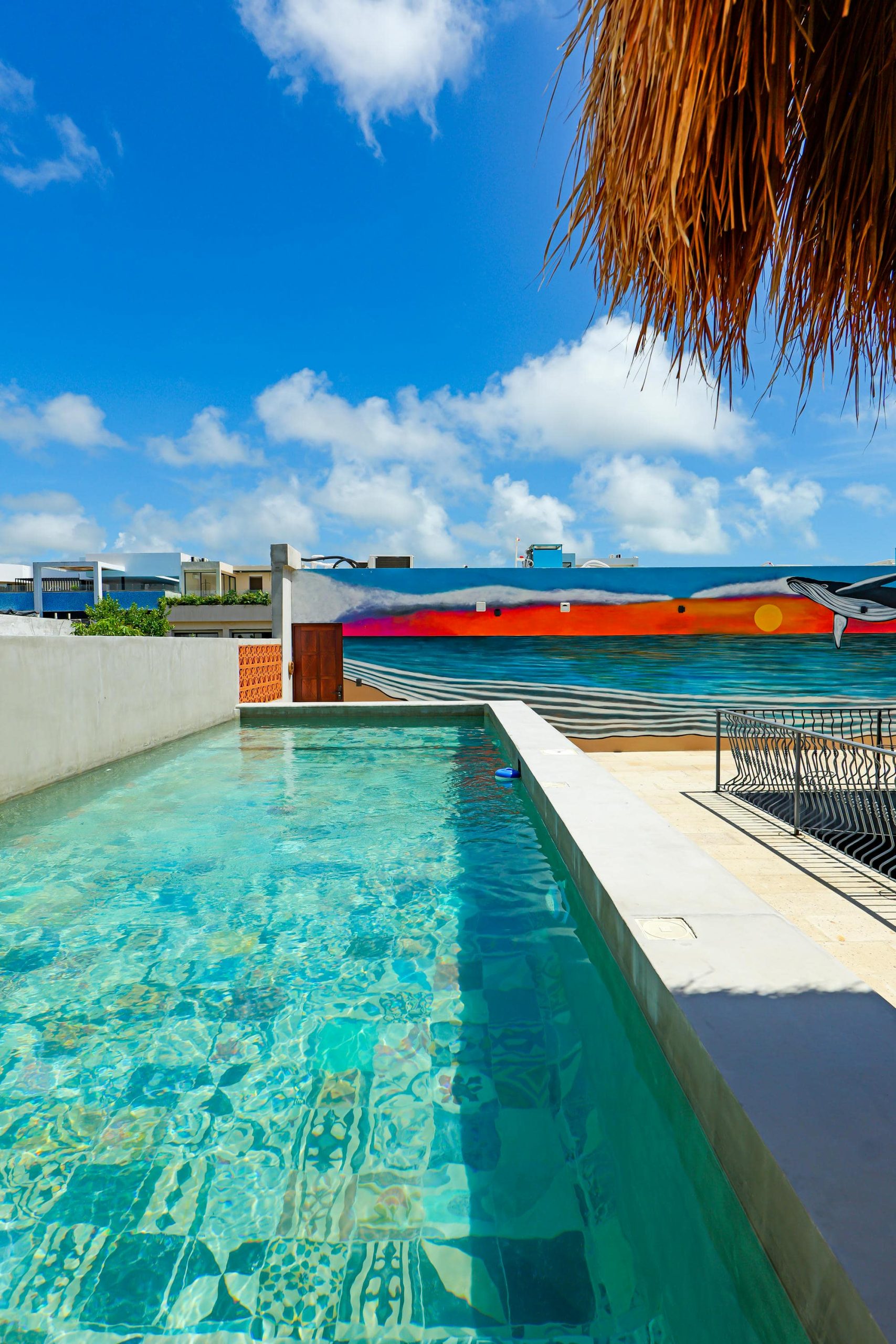
Calea Tulum is a 26-room boutique hotel with a rooftop pool, an 8.8/10 rating on Booking.com, and Centro Calea — our on-site wellness studio offering yoga, sound healing, and somatic movement. Your morning practice doesn’t require a separate trip across town. Your room is a calm base between activities. Everything you need is close.
Pack what you need, leave what you don’t, and let the trip take care of itself.
Book your stay at caleatulum.com.
—