Breathwork in Tulum: What It Is and Where to Experience It
Breathwork has been part of spiritual and healing traditions for thousands of years — pranayama in yoga, holotropic practices in psychotherapy, breath-based rituals across Indigenous cultures around the world. What’s shifted in the last decade is its reach: breathwork has moved from niche therapeutic spaces into the mainstream wellness circuit, and Tulum has become one of the places where it’s practiced most seriously. If you’ve encountered the word without fully understanding what it means — or you’re curious whether it’s worth trying — this is what you need to know.
—
What Breathwork Actually Is
Breathwork is a category of guided breathing practices. It is not meditation, not yoga, not relaxation. It’s active. You’re doing something with your breath, intentionally, following a pattern that your facilitator directs.
The core mechanism is physiological: changing the rate, rhythm, or depth of breathing shifts the balance of oxygen and carbon dioxide in your blood. Depending on the technique, this can produce a wide range of effects — heightened energy, emotional release, tingling in the hands or face, warmth moving through the body, altered states of perception, or a deep settling calm in the aftermath.
The key word is “guided.” Breathwork is not something you do alone following a YouTube tutorial. A trained facilitator reads your body, adjusts the pace, provides support when emotional material surfaces, and holds the space for a process that can move quickly and sometimes unpredictably. The quality of that facilitation determines the quality of the experience.
—
The Main Techniques You’ll Encounter in Tulum
Not all breathwork is the same. The term covers several distinct approaches, and knowing the difference helps you find what fits.
Holotropic Breathwork — developed by psychiatrist Stanislav Grof in the 1970s as a legal alternative to psychedelic-assisted therapy. Sessions are long (often two to three hours), involve intense hyperventilation-style breathing, and frequently produce powerful altered states of consciousness. Not appropriate for complete beginners without proper preparation and screening.
Conscious Connected Breathing — also called rebirthing or circular breathing. The breath flows continuously without the natural pause at the top or bottom of the cycle. Sessions run 60–90 minutes. The continuous loop tends to generate deep physical sensation and emotional access. This is what you’ll most commonly encounter in Tulum’s retreat and group settings.
Wim Hof Method — combines specific breathing cycles (30–40 deep breaths followed by controlled breath retention) with cold exposure. The physiological effects are well documented: increased adrenaline, an alkaline shift in blood pH, and a measurable impact on immune response. More activating than introspective.
Box Breathing — a nervous system regulation tool used by athletes, military personnel, and therapists. Four counts in, four counts hold, four counts out, four counts hold. Grounding and accessible. Often used as a standalone daily practice or as preparation before deeper work.
—
What to Expect in a Session — Honest Expectations
Most breathwork sessions in Tulum follow a similar structure: you arrive, settle into a mat or blanket, receive instructions from your facilitator, then lie down for 60 to 90 minutes while the breath is guided and music plays beneath the work.
What you might experience during or after:
- Tingling or vibration in the hands, face, or throughout the body
- Emotional material surfacing — memories, images, unexpected crying or laughter
- Warmth or energy moving through the limbs
- A clarity or lightness that follows the peak of the session
- Altered states that range from mildly unusual to deeply disorienting, depending on the technique and your own nervous system
Be honest with yourself about this going in: breathwork can be intense. The “altered state” is not a metaphor — for some people, it genuinely resembles a psychedelic experience in terms of depth and the material that surfaces. That’s not a reason to avoid it. It’s a reason to choose a reputable facilitator and to know what you’re entering.
Most people feel a meaningful shift — increased energy, emotional clarity, a sense of release — within the first session. A few people feel very little. Both are normal.
—
Who Should (and Shouldn’t) Try It
Breathwork is safe for most healthy adults. It is contraindicated — meaning you should not do it — if you have:
- Cardiovascular disease or a history of heart problems
- A current or recent pregnancy
- Severe anxiety disorder, PTSD (without active clinical support), or active psychosis
- Epilepsy or a history of seizures
- Recent surgery or a serious physical injury
If any of these apply, speak with your doctor before booking a session. A reputable facilitator will conduct an intake process and ask about health history before you begin. That’s not bureaucracy — it’s due diligence, and it tells you whether you’re working with someone who actually knows what they’re doing.
—
Why Tulum Specifically
Tulum draws a particular kind of wellness practitioner: people who practice seriously, facilitate professionally, and choose their environment deliberately. The setting amplifies the work. The quiet of the jungle, the quality of air moving through open-air spaces, the absence of urban noise — these aren’t incidental. They affect what happens inside a session.
Mexico is the number-one destination for yoga and wellness retreats globally in 2026. Within that, Tulum’s concentration of offerings — breathwork, sound healing, cacao ceremonies, cenote bathing, temazcal — creates conditions where you can layer practices across a week in ways that genuinely compound. A breathwork session lands differently after three days of movement and rest than it does when you arrive cold from a city.
To find a reputable breathwork facilitator in Tulum, look for:
- Verifiable training credentials (Grof Transpersonal Training for Holotropic work, or certified conscious breathing practitioners)
- Small group sizes — ideally 6–12 people, not 25 or 30
- A real intake process that asks about physical and mental health history
- Clear communication about what to expect, including potential intensity
- A space that feels contained, safe, and intentionally held
Ask questions before you book. A confident, trained facilitator welcomes them.
—
Centro Calea: Where You Come Back to the Body
If breathwork is the peak of your wellness week, what you do around it shapes how it settles. The tendency after an intense session is to stay in the experience’s energy — to keep moving, stay social, avoid the stillness that lets the work integrate. That tendency works against you.
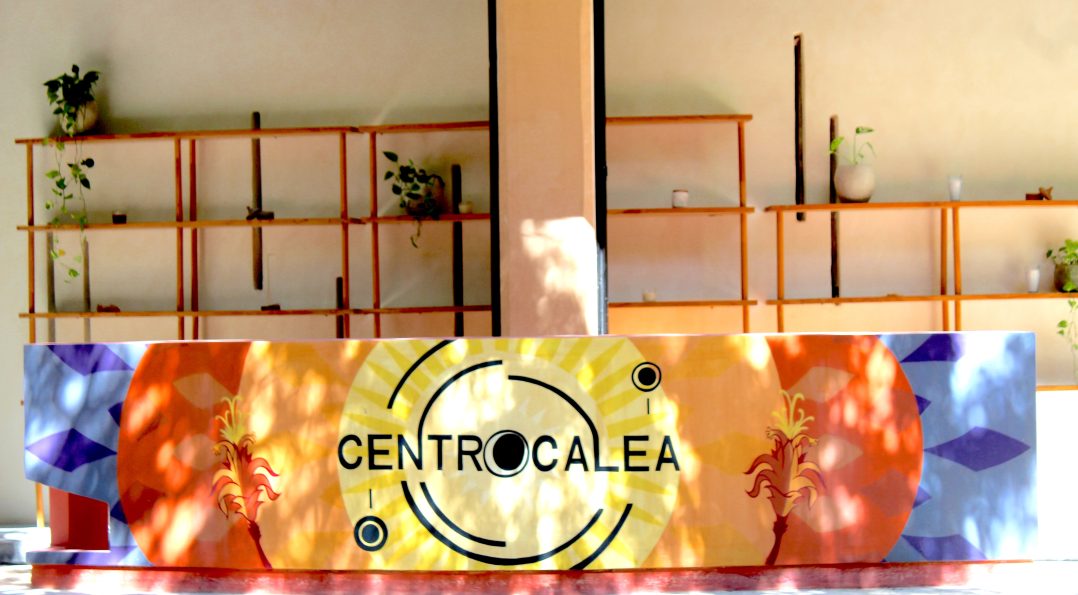
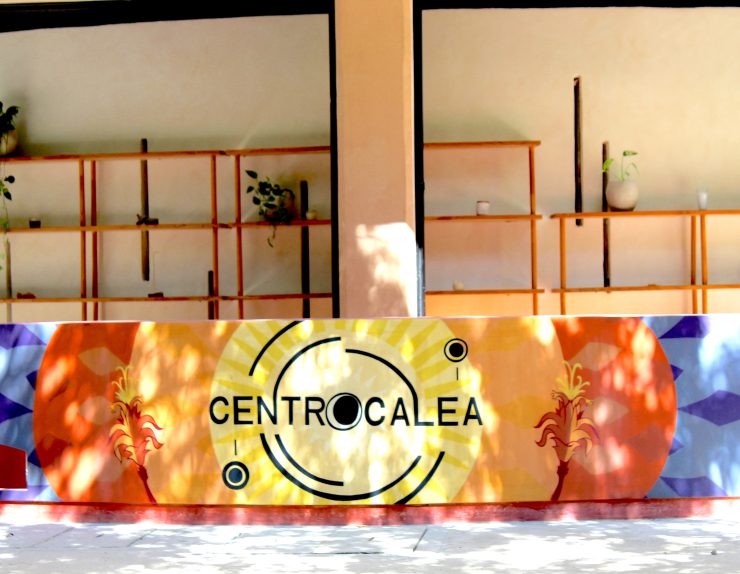
Centro Calea, the wellness studio at Calea Tulum in Aldea Zama, is built precisely for that integration. Open to hotel guests and outside visitors, the studio is organized around three pillars: Práctica (movement), Voz (voice and expression), and Encuentro (community connection).
Two teachers lead the practice:
- Sofia leads sound healing with metal singing bowls. The resonance of the bowls has a direct effect on the nervous system, creating space for the body to settle and consolidate what emerged during intense internal work.
Neither of these is breathwork. That’s exactly the point. They are the practices you bring to the morning before a session, or the afternoon after one. Movement to arrive present. Sound to land.
Every stay at Calea Tulum includes one complimentary yoga class. Drop-in classes at Centro Calea run 222 MXN and are open to non-guests.
—
Tulum’s wellness scene is dense enough that you could spend a week here without repeating any practice. Breathwork is one of the most powerful offerings within it — and one of the most misunderstood. Go in with good information, a skilled guide, and a base that supports the work before and after.
Explore Centro Calea and plan your stay → [centrocalea.com](https://centrocalea.com)
—