Hanal Pixán: The Mayan Day of the Dead in Tulum
When most travelers think about Day of the Dead in Mexico, they think of Oaxaca — flower-covered altars, candlelit cemeteries, marigold processions through colonial streets. It’s spectacular, and deservedly famous. But there’s another version of this celebration that runs deeper in its original cultural context: Hanal Pixán, the Mayan Day of the Dead, celebrated across the Yucatán Peninsula and in Tulum every October. Less commercialized than Oaxaca’s version, far less crowded, and rooted in a living Mayan tradition that predates the Spanish colonial synthesis — it’s one of the most authentic cultural experiences you can have in Mexico. And it happens to fall during one of the best travel windows of the year.
—
What Is Hanal Pixán?
The name comes from Yucatec Maya: hanal means food, pixán means soul. Hanal Pixán — “food of the souls” — is the Mayan tradition of feeding and honoring ancestors during the days when the boundary between the living and the dead grows thin.
The roots are pre-Hispanic. Long before the Spanish arrived in the Yucatán, Mayan communities observed rituals tied to death and the cyclical return of souls, rooted in a cosmology that saw death not as an ending but as a transition within a continuing cycle. After the Conquest, the Catholic calendar’s All Saints’ Day and All Souls’ Day (November 1 and 2) were layered over these existing practices — producing the hybrid celebration that exists today across Mexico.
In the Yucatán, that layering preserved something that many other regions lost: the specifically Mayan character of the celebration. The foods, the altars, the prayers, and the community rituals retain a Mayan identity that sets Hanal Pixán apart from the Day of the Dead as practiced in central or southern Mexico. This is not a performance for tourists. It is a living cultural tradition.
—
The Three Days of Hanal Pixán
The celebration runs October 31 through November 2, with each day dedicated to a different group of souls.
October 31 — Pixán Paal (souls of children). Altars on this day are built for the children who have passed. They’re filled with the foods, toys, sweets, and colors that children loved in life — a tender counterpoint to the broader somber traditions. In Mayan cosmology, the souls of children are believed to travel separately and arrive first.
November 1 — Pixán Uinicob (souls of adults). The more elaborate day. Families prepare traditional Mayan foods: mucbipollo (a tamale cooked underground in a pit, specific to this celebration), atole nuevo (a warm corn drink), and traditional chocolate. Altars are loaded with the favorite foods, drinks, and objects of the adult family members being honored. The visual and aromatic richness of these altars — candles, marigolds, photographs, food — is striking.
November 2 — All Souls’ Day. The communal closing. Families visit cemeteries, clean and decorate graves, and share food and stories. In many Yucatán towns, this day involves public gatherings, music, and a spirit of collective remembrance rather than private grief. In Tulum, this is when the public events reach their peak.
—
What Happens in Tulum During Hanal Pixán
Tulum’s celebration is centered at the Palacio Municipal — the town center — with events that are free and open to both locals and visitors.
Paseo de las Ánimas. A candlelit procession through the streets of Tulum, accompanying the souls as they make their way through town. This is the centerpiece of the public celebration — quiet, beautiful, and unlike anything on the standard tourist circuit.
Altar competition. Local families, schools, and businesses construct elaborate altars that are displayed publicly and judged. Walking through these — seeing the photographs, the foods, the hand-crafted decorations — offers an unfiltered window into Tulum’s community life and Mayan identity.
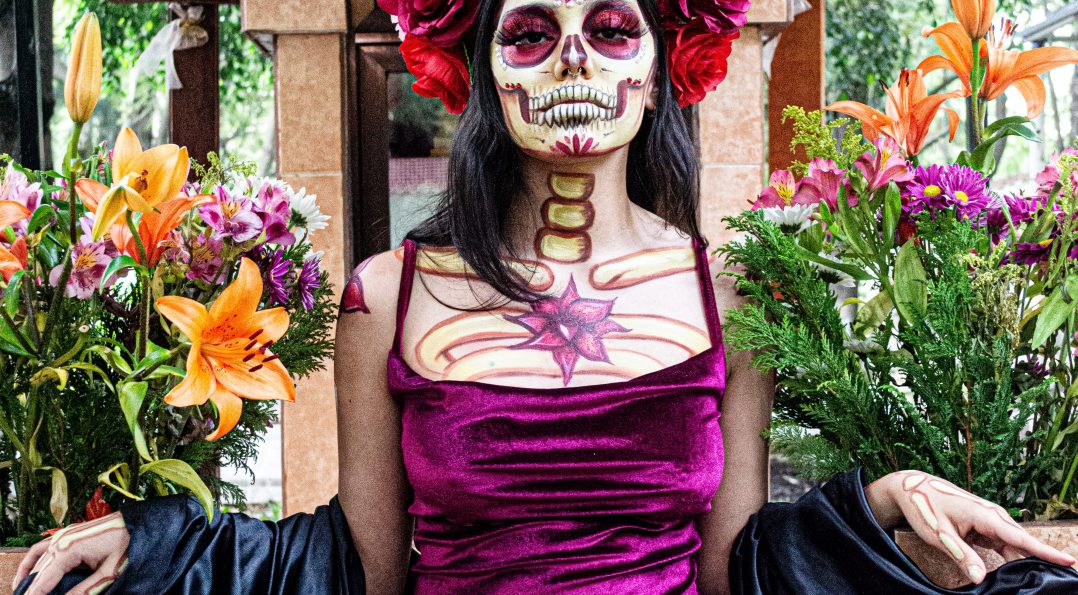
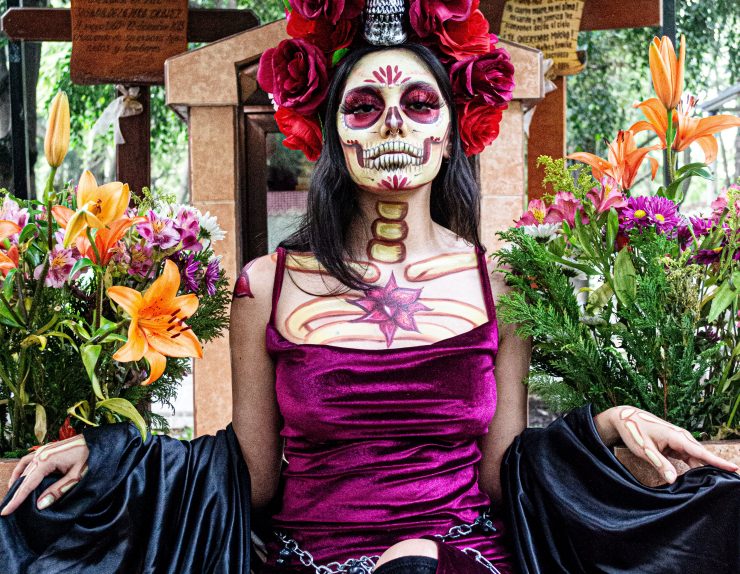
Catrinas contest. A Día de Muertos face-painting and costume competition. The Catrina figure — a Mexican icon of death portrayed elegantly — appears in many forms, and the contest draws genuinely creative participants.
Free concert. The celebration closes with a live music event on the final evening. The atmosphere is festive, community-driven, and completely different from the nightclub energy of the beach zone.
None of this is produced for tourism. The events happen because this is what this community does. Visitors are welcomed, but the celebration doesn’t center them — which is, frankly, what makes it worth attending.
—
Why October–November Is One of Tulum’s Best Travel Windows
Hanal Pixán alone would be reason enough to visit. But the timing also happens to make practical sense in ways that extend well beyond the cultural calendar.
Post-sargassum. The seaweed accumulations that periodically cover the Caribbean coast are largely past their peak by October. Beach conditions improve significantly, and if you’re planning any beach days alongside your cultural itinerary, October is typically a much more pleasant window than June or July.
Pre-peak season. Tulum’s high season starts in earnest in late November and runs through March. October and early November sit in a sweet spot: the holiday crowds haven’t arrived yet, prices are lower across the board, and availability at quality hotels is better. You get Tulum at a manageable pace.
Weather. October falls within the official hurricane season, but statistically the Peninsula sees relatively mild conditions in October compared to August and September. Expect warm temperatures, occasional brief rains that clear within an hour, and a lushness to the jungle that you won’t see in the dry season. The evenings are genuinely beautiful.
Fewer crowds, more access. The Tulum ruins, cenotes, and local restaurants are all significantly less crowded in October than in December or January. You’ll spend less time waiting and more time experiencing.
—
Calea Tulum — The Right Base for a Cultural Trip
Choosing where to stay for a cultural trip like this matters more than it does for a straightforward beach vacation.
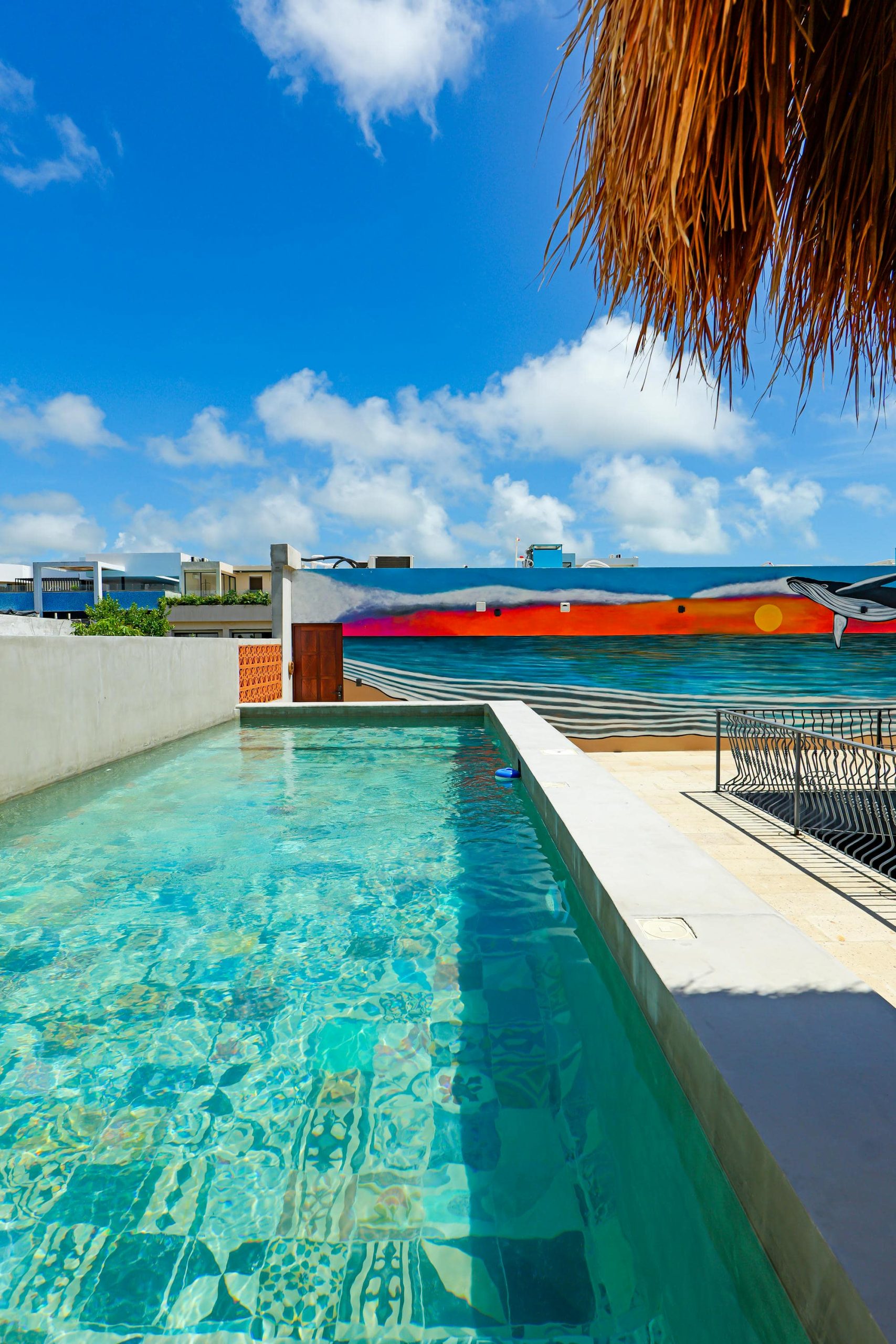
Calea Tulum is a boutique wellness hotel in Aldea Zama — the quiet residential neighborhood at the heart of Tulum, 10 minutes on foot from downtown and 7 minutes by car from the beach. This is not the beach party strip. It’s a calm, intentional space — which is exactly the energy that complements a trip built around Hanal Pixán.
The hotel has 26 rooms, including Rooftop Sanctuary rooms with panoramic jungle views that are particularly striking during the lush October season. The Jungle King Suite is a standout option for travelers who want space and privacy.
Centro Calea — our on-site wellness studio — is a natural complement to the spirit of Hanal Pixán. Sound healing sessions led by our teacher Sofia use traditional metal singing bowls to create an immersive sonic experience. The resonance of sound healing and the contemplative spirit of honoring ancestors sit closer together than you might expect. Somatic movement classes led by Roos van Barneveld (Codarts Rotterdam) offer another way to drop into presence during the trip. Every stay includes one complimentary yoga class; drop-in classes are available at 200 MXN.
The hotel holds an 8.8/10 on Booking.com (Guests’ Choice, 64 reviews). Guests consistently note the quality of sleep, the attentiveness of the team, and the calm that sets the property apart from louder options in town.
October and early November fill up earlier than guests expect, given the appeal of the travel window. If you’re planning a Hanal Pixán trip, book ahead.
—
Hanal Pixán is the kind of experience that stays with you. It’s not a show produced for travelers — it’s a living Mayan tradition that welcomes visitors with genuine openness. If you’ve been looking for a reason to visit Tulum outside of peak season, this is it: cultural depth, better prices, manageable crowds, and a celebration that connects you to something older and quieter than the beach clubs.
Reserve your Hanal Pixán stay at [caleatulum.com](https://caleatulum.com) — availability in late October and early November fills quickly.
—