Cacao Ceremony in Tulum: What It Is and Where to Experience It
You’ve probably heard someone mention a cacao ceremony — maybe in a wellness retreat itinerary, a travel recommendation, or an overheard conversation at a Tulum café. The practice has become one of the most talked-about ceremonial experiences in the region, and if you’re curious but not quite sure what to expect, you’re not alone. This isn’t a new trend dressed up in ritual language. Cacao ceremonies draw from thousands of years of Mesoamerican tradition, and in Tulum — with its deep roots in Mayan culture — they carry a particular resonance. Here’s what you need to know before you go.
—
What Is a Cacao Ceremony?
A cacao ceremony is a guided group or individual experience centered on the ritual consumption of ceremonial-grade cacao — a raw, minimally processed form of cacao that looks nothing like the cocoa powder in your kitchen cabinet. Ceremonial cacao is made from whole cacao beans, often grown in Guatemala, Oaxaca, or other parts of Mesoamerica, and prepared with intention: ground into a paste, blended with hot water, and sometimes lightly spiced with chili or cinnamon.
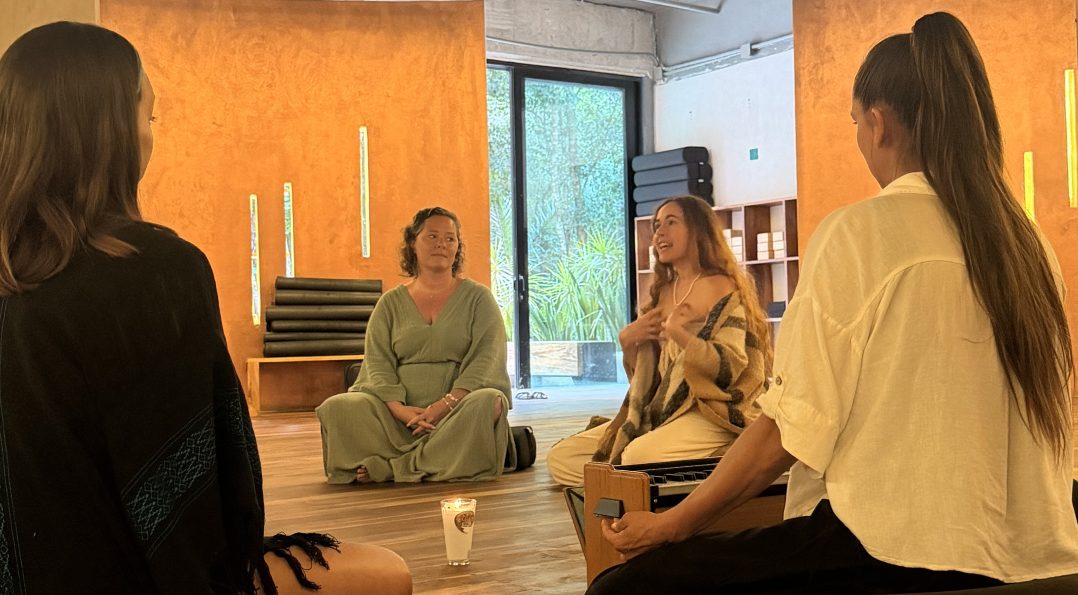
The ceremony typically opens with the group setting intentions — a moment of reflection on what each participant hopes to invite, release, or become more aware of. A warm cup of cacao is passed or served to each person as part of this opening. From there, sessions usually unfold through guided meditation, breathwork, music, live singing, or movement, followed by a sharing circle in which participants reflect on what arose during the experience.
The total duration runs roughly two to three hours. The pace is slow. The atmosphere tends to be intimate, even when the group is larger.
—
The Origins: Mesoamerican Tradition in a Contemporary Setting
Cacao holds a long and serious history in Mesoamerican cultures. Among the ancient Maya, cacao was considered a gift from the gods — used in ritual, medicine, and ceremony long before it became a commercial crop. The word itself traces back to Mayan origins, and the tree, Theobroma cacao, carries a name that translates from Greek as “food of the gods.”
In its traditional context, cacao was not a casual drink. It was prepared and consumed with care, within community, and with specific intentions. Contemporary cacao ceremonies draw on these roots — adapted, yes, but not invented. The core elements of intention, communal consumption, and guided ritual are all present in the oldest documented uses of the plant.
Tulum sits within the Yucatán Peninsula, surrounded by Mayan archaeological sites, cenotes, and a living indigenous heritage that predates the wellness industry by millennia. That context matters. It’s part of what gives a cacao ceremony in Tulum a different weight than the same practice offered in a wellness studio in London or Los Angeles.
—
What Cacao Actually Does — Honestly
Ceremonial cacao is not a psychedelic. It won’t produce hallucinations or dramatically altered states. But it does contain compounds that have real, measurable effects on your body and mood — and that’s worth understanding clearly.
The most significant is theobromine, a mild stimulant and vasodilator. Unlike caffeine, which hits quickly and sharply, theobromine produces a gentler, more sustained energy — often described as a warm, open feeling in the chest. It increases blood flow slightly, which some practitioners describe as “heart opening,” and that description, while metaphorical, maps onto something physiological.
Ceremonial cacao also contains tryptophan (a precursor to serotonin), anandamide (sometimes called the “bliss molecule”), and magnesium. Together, these create a mild uplift in mood and a sense of calm alertness — not sedation, not intoxication. You’re present, perhaps a little softer than usual, and more receptive to whatever the ceremony invites.
The effects are subtle. The experience itself — the ritual, the group field, the music, the intention — tends to do more of the work than the cacao alone.
—
What to Expect During the Experience
For first-timers, knowing the rough shape of the ceremony removes the anxiety of not knowing what’s expected of you.
You’ll usually arrive to a circle of cushions or mats. The facilitator will open the space with a brief welcome and guide participants through setting an intention — a phrase, a question, or simply a feeling they’d like to cultivate. Cacao is prepared and served, often with a moment of gratitude before drinking. The recommended amount for ceremony is significantly more than you’d use in a recipe — around 40–50 grams — so the taste is rich, slightly bitter, and intense.
From there, the session moves through whatever practices the facilitator has designed: breathwork, meditation, sound (live instruments are common — drums, guitar, singing bowls), occasional movement, and silence. There’s rarely a rigid agenda; good facilitators read the energy of the group and respond to it.
The session closes with sharing — participants speak briefly about what arose for them. This part is optional but often the most meaningful for newcomers, who discover they weren’t alone in what they felt.
—
Practical Tips for Your First Cacao Ceremony in Tulum
A few things that will make the experience better:
- Eat lightly beforehand. A full meal blunts the effects of the cacao. A light snack two to three hours before is ideal.
- Skip the coffee. Between the theobromine and any stimulants in a ceremony, stacking caffeine on top can leave you jittery instead of grounded.
- Wear comfortable layers. You’ll likely be lying down or sitting still for an extended period. Temperature shifts happen — especially in Tulum’s humidity.
- Arrive without a schedule. Build a buffer after the ceremony. Integration — a slow walk, journaling, a quiet hour — tends to honor whatever opened during the experience.
- Vet your facilitator. Tulum’s wellness scene is vibrant and largely unregulated. Look for facilitators who are transparent about their training, the origin of their cacao, and the shape of the session. Word of mouth from trusted sources matters here.
—
How Cacao Ceremonies Fit Into a Broader Wellness Journey in Tulum
A cacao ceremony is rarely a standalone experience. Most people who seek one out are already in Tulum for a reason — to rest deeply, to shift perspective, to move the body, to reconnect with something quieter in themselves. The ceremony can open a door. What you do with that opening depends on what else you give it.
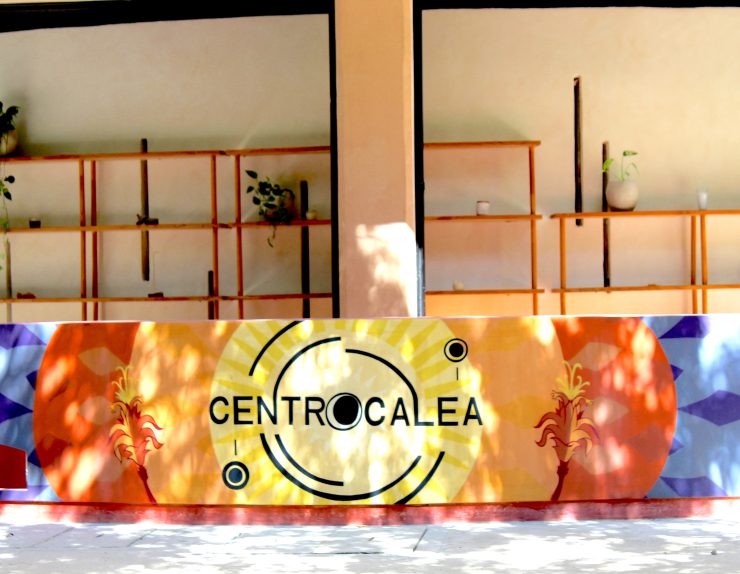
This is where having a reliable wellness home base in Tulum matters. Centro Calea, the on-site wellness studio at Calea Tulum boutique hotel in Aldea Zama, offers exactly that — a consistent, grounded space for movement, sound healing, and community. The studio’s three pillars — Práctica (movement), Voz (voice and expression), and Encuentro (community) — map naturally onto the integration work that follows a ceremonial experience.
Roos van Barneveld, a Codarts Rotterdam graduate in contemporary dance and somatic movement, leads classes that help you stay in the body and process what arises physically. Sofia’s sound healing sessions with metal singing bowls offer a quieter, receptive counterpart. Together, the studio provides the kind of daily practice that makes a single ceremony more than just a good story to tell.
Drop-in classes at Centro Calea are 200 MXN. The studio is open to hotel guests and outside visitors alike. Guests staying at Calea Tulum receive one complimentary yoga class with their stay, and the full wellness schedule is available throughout your time here. Check the calendar for special events — the programming continues to expand.
—
A cacao ceremony in Tulum, done with care and the right facilitator, can be one of the most grounding experiences the region offers. It asks you to slow down, to arrive fully, and to be present with a group of people doing the same. What you carry out of it depends on what you bring in — and what you build around it. Tulum makes both possible.
Explore the wellness schedule and plan your stay at [centrocalea.com](https://centrocalea.com).
—