All-Inclusive in Tulum: The Complete Guide to All-Inclusive Stays
An all-inclusive plan in Tulum gives you a vacation where one upfront payment covers your accommodation, unlimited food and drinks, and a variety of on-property activities. Think of it as a prepaid, hassle-free pass into a self-contained resort world—built so you can fully relax and keep your budget predictable.
This model is ideal for travelers who want to unpack once and have everything within reach, without constantly thinking about logistics.
What does “all-inclusive” really mean in Tulum?
Image: beachfront resort with a pool, ocean view, palm trees, and an all-inclusive bar.
Picture your vacation like a subscription. With an all-inclusive plan, you pay a single fee and get near-full access to what the resort offers. It bundles the key parts of a trip into one package, eliminating the need to pull out your wallet for every meal, cocktail, or poolside snack. It’s an environment designed for comfort and abundance.
From the moment you check in, the resort becomes your personal universe. The wristband is your key to scheduled entertainment, multiple restaurants, and bars spread across the property. The main goal is a low-stress experience where the hardest decision is choosing between the infinity pool and the beach bar.
What’s usually included
While each resort has its own rules, most all-inclusive packages in Tulum follow a familiar structure—and that consistency is part of the appeal. Typically, you get:
- Accommodation: your room or suite for the full stay
- Unlimited food: access to on-site options, from buffets to casual grills by the pool. Some resorts include specialty à-la-carte restaurants (often with reservations).
- Unlimited drinks: soft drinks, juices, local beer, house wine, and a selection of cocktails. Premium spirits and higher-end wines often cost extra.
- On-property activities: daily entertainment like beach volleyball, water aerobics, and sometimes non-motorized water sports like kayaking or paddleboarding.
- Facilities access: pools, beach areas, gym, and common spaces
What’s almost never included
It’s just as important to know what your rate doesn’t cover—this is where unexpected costs usually show up. Think of these as “premium add-ons” to your subscription.
An all-inclusive stay simplifies your budget by bundling the essentials, but it’s smart to plan for extras. Spa treatments, off-property tours, and gourmet dining are almost always additional charges that can affect your final bill.
Common extras include:
- Premium dining: chef-led restaurants or tasting menus
- Top-shelf alcohol: premium spirits and imported wines
- Spa & wellness: massages, facials, treatments
- Tours & excursions: ruins, cenotes, town visits, etc.
- Motorized water sports: jet skis, diving (often via external providers)
- Tips: sometimes included, but it’s still common (and appreciated) to tip for good service
Pros and cons of all-inclusive resorts
Whether an all-inclusive resort in Tulum is right for you depends on your travel style. For some people, it’s the most direct path to effortless relaxation. For others, it can feel like an overly contained “bubble.” Here’s a clear look at both sides.
The appeal of total convenience
The biggest advantage is how easy everything becomes. Once you check in, the big decisions stop. You don’t need to search for restaurants, negotiate taxis, or track daily spending. That mental freedom is what helps you actually disconnect.
This format is especially good for:
- Families with kids: parents can relax knowing food, drinks, and activities are handled without the bill climbing all day
- Large groups: coordinating plans and dinners is simpler when everything is in one place and prepaid
- Travelers who want pure rest: if your ideal day is a lounger, a book, and cocktails with zero planning, this is your paradise
Another major plus is budget predictability. You pay a fixed rate upfront that covers most expenses. You don’t feel your balance shrinking with every meal. You order dessert or another margarita without thinking: “it’s included.”
Possible downsides to consider
That same convenience comes with trade-offs. What makes all-inclusive attractive can also be its weakness: the risk of disconnecting from the real Tulum.
If all your meals, drinks, and activities happen inside the resort, you might miss the town’s pulse—street food, small hidden restaurants, local markets, and spontaneous discoveries. Sometimes a resort can feel like a polished, “one-size-fits-all” version of Mexico.
All-inclusive is perfect for a smooth, low-stress vacation. But that comfort often means less authentic cultural immersion and less freedom for spontaneous adventure—which is part of what makes Tulum unique.
Other common drawbacks:
- Inconsistent food quality: many resorts rely heavily on large buffets; quality varies and doesn’t always compete with well-curated local spots
- A “trapped” feeling: if you love exploring, staying inside one property can feel limiting
- Hidden costs and crowds: premium alcohol, spa, and tours add up fast; in high season, popular resorts get packed (busy pools, dinner lines)
Bottom line: if your priority is to relax without planning, all-inclusive can be a great choice. But if you want authentic adventure, cultural connection, and real freedom, Tulum’s strongest magic often lives outside the resort gates.
The real Tulum beyond the resort
Image: person riding a bike on a sunny road in Tulum, with greenery and historic structures.
Yes, an all-inclusive resort gives you a restful bubble. But the real spirit of Tulum is outside—beyond perfectly manicured gardens. The magic isn’t a scheduled show at 8 p.m. in the lobby. It’s an adventure you discover at your own pace. It’s the freedom of biking through the jungle without knowing exactly where you’ll end up.
Leaving the resort means trading a prepackaged vacation for unique stories. That’s where you feel the true pulse of the Riviera Maya.
The adventure of spontaneity
Imagine your day as a blank canvas. Instead of following the hotel itinerary, you follow curiosity. You might start the morning swimming in a hidden cenote—those sacred limestone wells treasured by the Maya. It’s a completely different world from a crowded pool.
Later, the aroma of cochinita pibil might pull you into a family-run taquería in town. You’ll taste flavors that simply don’t exist in a massive buffet. Those unexpected finds are the essence of Tulum.
Experiences you might miss
If you never leave the resort, you may miss what makes this region special. The structured environment—while comfortable—can isolate you from the culture you came to experience.
- Magical cenotes: swim in clear waters like Gran Cenote or Dos Ojos (each with its own personality)
- Authentic local food: street tacos, hidden restaurants, and kitchens that blend Mayan tradition with modern technique
- Artisan markets: textiles, jewelry, and unique pieces—often bought directly from makers
- Wild nature: explore Sian Ka’an (a UNESCO site) or find a quiet beach away from the crowds
Choosing all-inclusive vs independent travel in Tulum is the difference between observing and participating: one shows you a curated paradise; the other invites you to become part of its living story.
Connecting with Mayan history and culture
Tulum’s cultural pull is undeniable—and the centerpiece is the cliffside ruins facing the Caribbean. In a recent year, the archaeological site received 980,219 visitors, making it the third most visited archaeological site in Mexico. That says a lot: people don’t come only for the beach, but for a real connection to history.
When you visit on your own, you can arrive early, avoid crowds, and experience the site in soft morning light. That freedom turns a tourist stop into something deeper—something no package can truly “include.”
Your ideal base in Aldea Zamá
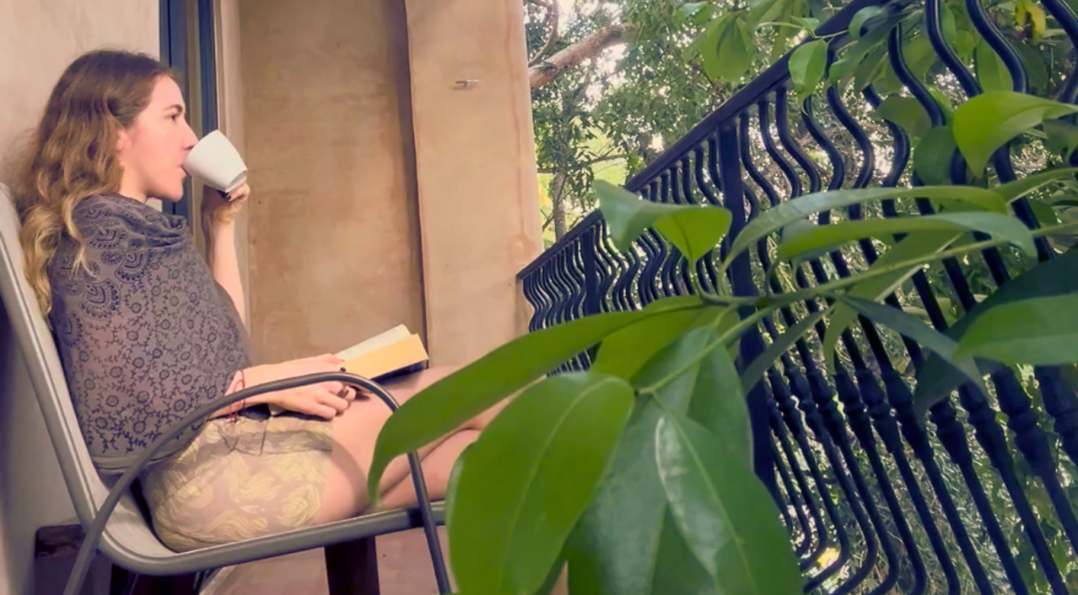
Image: sunny street in Aldea Zamá with modern buildings, greenery, and a cyclist.
Where you stay changes everything. The Hotel Zone has the magnetism of being beachfront, but a more balanced experience often lives in Aldea Zamá. Think of it as a strategic hub: a calm sanctuary with solid infrastructure, but a short bike ride from the Caribbean, the ruins, and the town’s real energy.
The smarter alternative to “beachfront premium”
Waking up with your feet in the sand sounds incredible—but it often comes with higher prices and bigger crowds. In recent years, there’s been a clear trend: the beachfront experience has become too expensive for many travelers.
In one recent season, occupancy dropped sharply: coastal occupancy hit 30% in a summer period, and downtown fell to 15%, among the lowest levels in over a decade. Even with discounts, the average nightly rate climbed to around $450 USD (about 25% higher than the previous year). Add common complaints—expensive taxis and very high minimum spends at beach clubs—and more “savvy” travelers started looking for better value in other areas.
That’s where Aldea Zamá shines: you avoid inflated costs without losing access to anything. Your budget goes further for real experiences—not just for an address.
The best of both worlds
Aldea Zamá gives you options:
- Quiet mornings: yoga or coffee on your terrace, jungle around you, no beach traffic
- Easy exploring: quick bike rides to ruins or public beaches
- More authentic nights: dinners in town with incredible flavors for a fraction of beach prices
Aldea Zamá isn’t a “Plan B.” It’s a strategic choice: you step into beach mode when you want—and return to a calmer place when you need it.
A more sustainable, relaxed rhythm
Beyond saving money, Aldea Zamá often feels better to live in: it’s designed for walking and biking, with a sense of community. Cafés, shops, and local spots are close. You can grab fruit at the market and have breakfast in your kitchen, or find your go-to neighborhood coffee place. The trip becomes more personal.
The modern alternative to all-inclusive
All-inclusive promises “everything in one place.” But what if you need something more flexible—comfort, yes, but also freedom, real connection, and local life? That’s where a newer style of stay comes in: more adaptable, designed for today’s traveler.
It’s not about abandoning convenience. It’s about redefining it. Instead of a standard package, you get the building blocks to shape your own trip.
Built for today’s traveler
Travel isn’t just one thing anymore. It blends vacation, work, and wellness—and the best stays adapt:
- For wellness seekers: included yoga classes and spaces that structure your day
- For digital nomads: truly reliable internet (like Starlink 150+ Mbps) so work is effortless
- For slow travelers: suites with kitchens and long-stay discounts—rare in traditional resorts
Your private sanctuary—with a kitchen
A kitchen changes everything. Your suite becomes a home.
You can make coffee the way you like it, blend a smoothie with market fruit, or cook a simple dinner when you want a quiet night. You regain control over your schedule and your budget. You spend intentionally—saving on breakfast and light meals, and choosing when it’s worth splurging on that spectacular beachfront dinner.
This modern alternative replaces the all-inclusive wristband with a key: comfort and community, but with full freedom to go out and experience the real Tulum.
Many suites also include a private terrace with a hammock—perfect for naps, reading, or slowing down after a cenote day.
Community on your own terms
Privacy doesn’t have to mean isolation. Well-designed places create community without forcing it: a calm rooftop, sunset moments, natural conversations with other travelers. Real connection—without scheduled entertainment.
In short, the modern alternative is about balance: strong location + essential comforts + flexibility and independence. It’s an ideal starting point for ruins, beaches, cenotes, and local culture—plus a comfortable refuge to return to.
FAQ: Choosing where to stay in Tulum
Is all-inclusive actually cheaper?
It depends on how you travel. The single price looks attractive, but it only makes sense if you truly use what’s included.
Think of it like a gym membership: great deal if you go every day; not worth it if you go once. With all-inclusive, you’re paying for meals, drinks, and activities you might not fully use.
For many travelers (and almost always for longer stays), an apartment-style stay can be better because of:
- A kitchen: breakfasts and light meals at home can drastically reduce spending
- Long-stay discounts: weekly/monthly rates often beat nightly resort pricing
- Spending control: you pay only for what you actually want (a specific cenote tour, a special dinner, a private excursion)
How can I work remotely in Tulum without internet stress?
Don’t settle for “Wi-Fi.” Look for places that prioritize serious connectivity. The gold standard is Starlink (150+ Mbps)—stable for video calls, heavy files, and uninterrupted work.
Space matters too: having a suite gives you quiet, separation, and a better work/life boundary even on vacation.
What’s the difference between Aldea Zamá and the Hotel Zone?
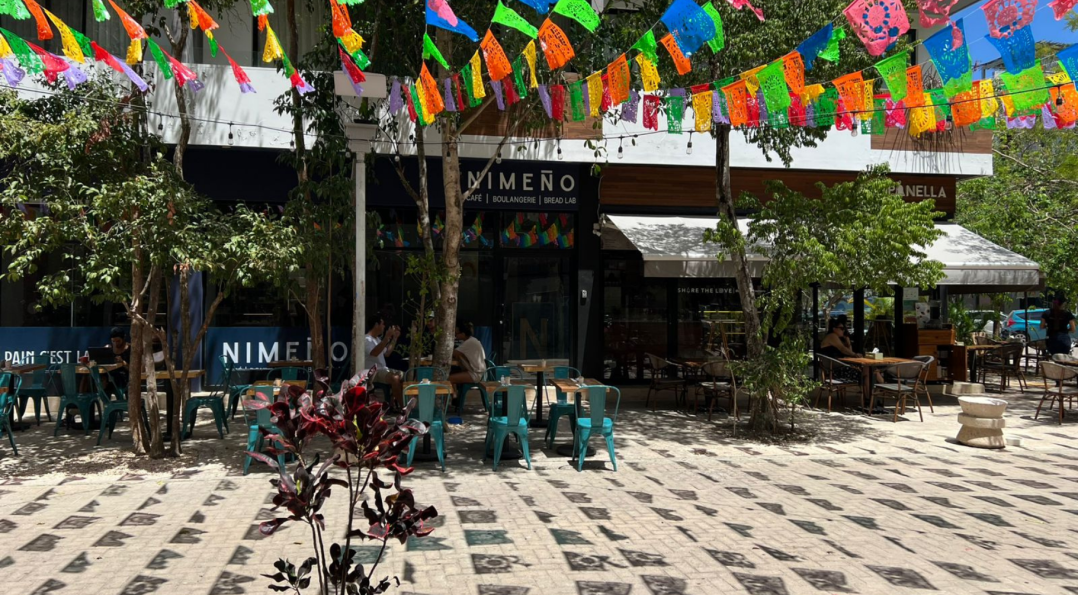
- Hotel Zone: beachfront, but more expensive, busier, and with uneven infrastructure
- Aldea Zamá: more balanced, better value, a more residential vibe, and a strong location between beach, ruins, and town
How far in advance should I book?
In high season (December–April), 3–6 months ahead is ideal.
In shoulder months (May–June, October–November), you’ll often find better value—but planning ahead is still the safest move. Booking direct can also unlock promos you won’t see on third-party platforms.